Interview Filming in Italy
I film interviews across Italy: single camera or multi-camera, with the interviewer in the room or joining live from anywhere in the world through Zoom or Meet. Professional audio, teleprompter, lighting and B-roll coverage come with me, so a statement recorded in Florence looks and sounds like it belongs in the finished piece.
Last updated: October 2026
The Setups
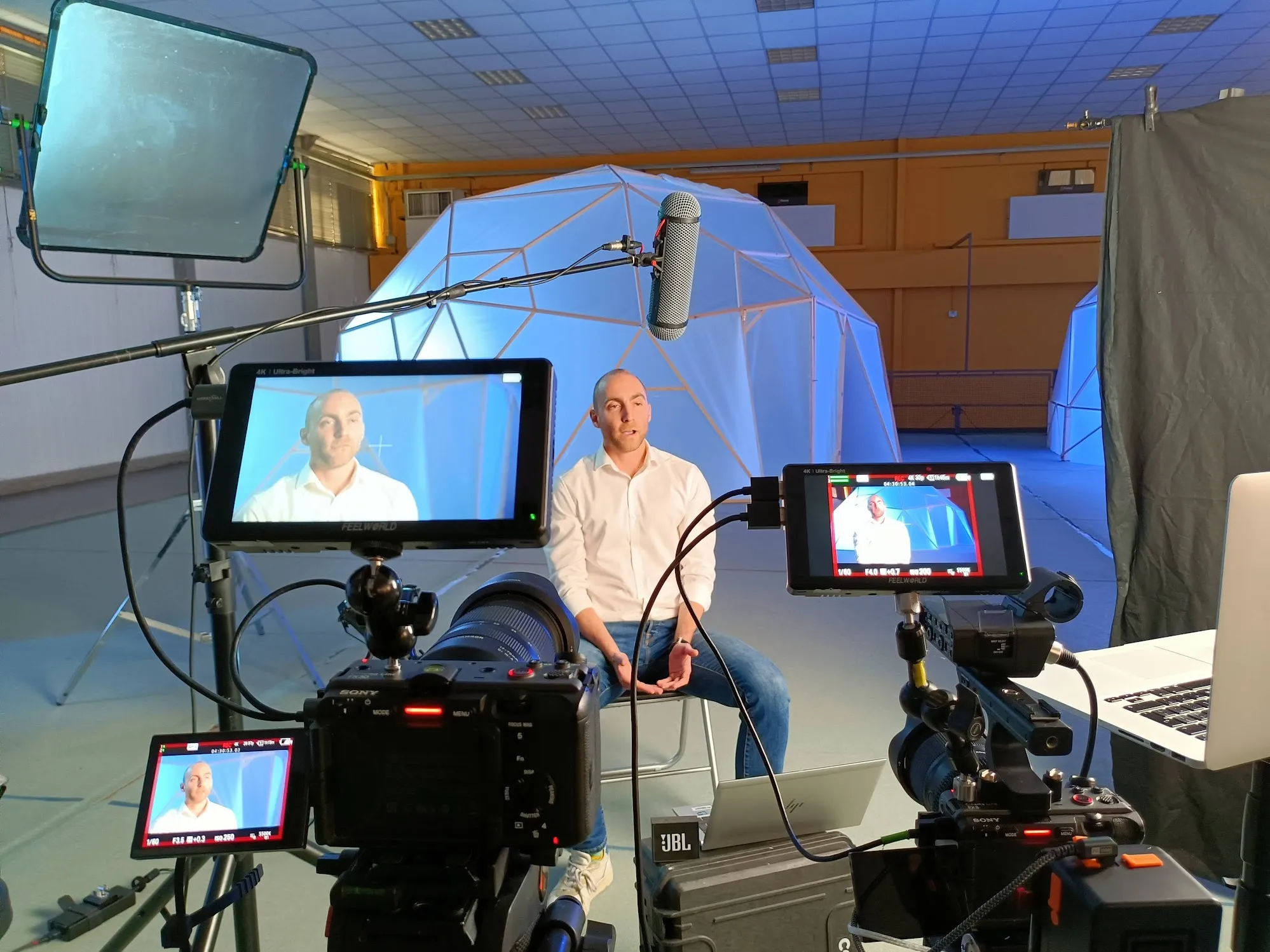
A single camera is enough when one person speaks and there is nothing to cut away to: it is the most common interview setup requested in Italy. The second camera arrives when the edit needs two angles of the same answer, which is why my standard for a talking head is a wide and a tight running together.
One Speaker, Two Cameras
A single-speaker interview in Italy is filmed on two cameras, a wide and a tight running together, so the editor can cut without a jump. It's my standard for a talking head: one person, one clean statement, two angles of it.
Two People in Conversation
A two-person interview is filmed with a camera on each speaker, and a third on the two-shot when the exchange matters as much as the answers. Interviews, dialogues, panel-style pieces: the format decides the count, not the kit.
Remote Interview, Live
The camera feed goes into the videocall, the interviewer appears on a monitor next to the lens. It runs live, in real time, as if everyone were on the same set. More on this below.
Interview Plus B-roll
An interview shot with B-roll gives you the statement plus the coverage that makes it watchable: the place, the hands, the process, the detail. It's filmed in the same visit, which is the cheapest way to end up with both.
Remote Interviews
If the person asking the questions is in London, New York or anywhere else, they don't need to fly to Italy. I send the live camera and audio feed straight into a Zoom or Meet call and put a monitor beside the lens with their face on it, with the sound coming through the set speakers.
The result is that the interviewee talks to a person, not to an empty chair. They hear the question, they look at the face asking it, and they answer it live. Producers and clients can sit in on the same call and watch what the camera is seeing while it happens, so notes and follow-up questions arrive in the moment instead of a week later.
What stays local is the quality: the footage is recorded in camera at full resolution, not captured off a compressed video call. The call is how you direct it. The file you get is cinema quality.
What Comes With Me
Streaming Kit
The hardware to push a clean camera and audio feed into Zoom, Meet or any videocall platform, so remote interviewers and clients see what the camera sees, live.Teleprompter
An autocue for scripted pieces to camera: corporate messages, statements, presentations. The speaker reads down the lens and it still sounds like talking.Professional Audio
Boom and lavalier microphones recorded clean and separate. On an interview the sound is the content, so it gets the same attention as the image.Finished Piece, If You Want It
The job can end with the footage or with the film ready to publish: edit, colour, titles, subtitles, music and sound mix. See editing and post-production.Cameras & Lighting
Sony FX Cinema Line bodies, cinema primes and a full LED kit with modifiers. Enough to make an office, a workshop or a hotel room look deliberate. See the full equipment list.Where These Interviews End Up
Interviews are rarely the whole job. Most of the time they're the spine of something larger, and the same shoot day feeds several of these at once.
Editorial & Reportage
Editorial interviews in Italy gather statements and expert commentary for a piece of journalism, a feature or a longer report, with coverage shot to match.
Corporate & Testimonial
Corporate interviews in Italy put executives, specialists and customers on record: company messages, product testimonials, recruitment pieces, internal communication.
Documentary
The contributor interviews that hold a documentary together, shot with the same care as the rest of the film rather than as a quick sit-down.
Information & Outreach
Information and outreach films in Italy explain a subject, a craft, an activity or a piece of research to an audience that wasn't there: training, outreach, institutional and educational content.
Selected Interview Work
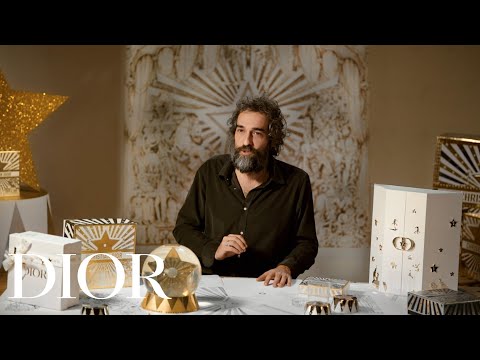
A few pieces built around interviews I shot, published by the clients themselves.



Behind the Scenes
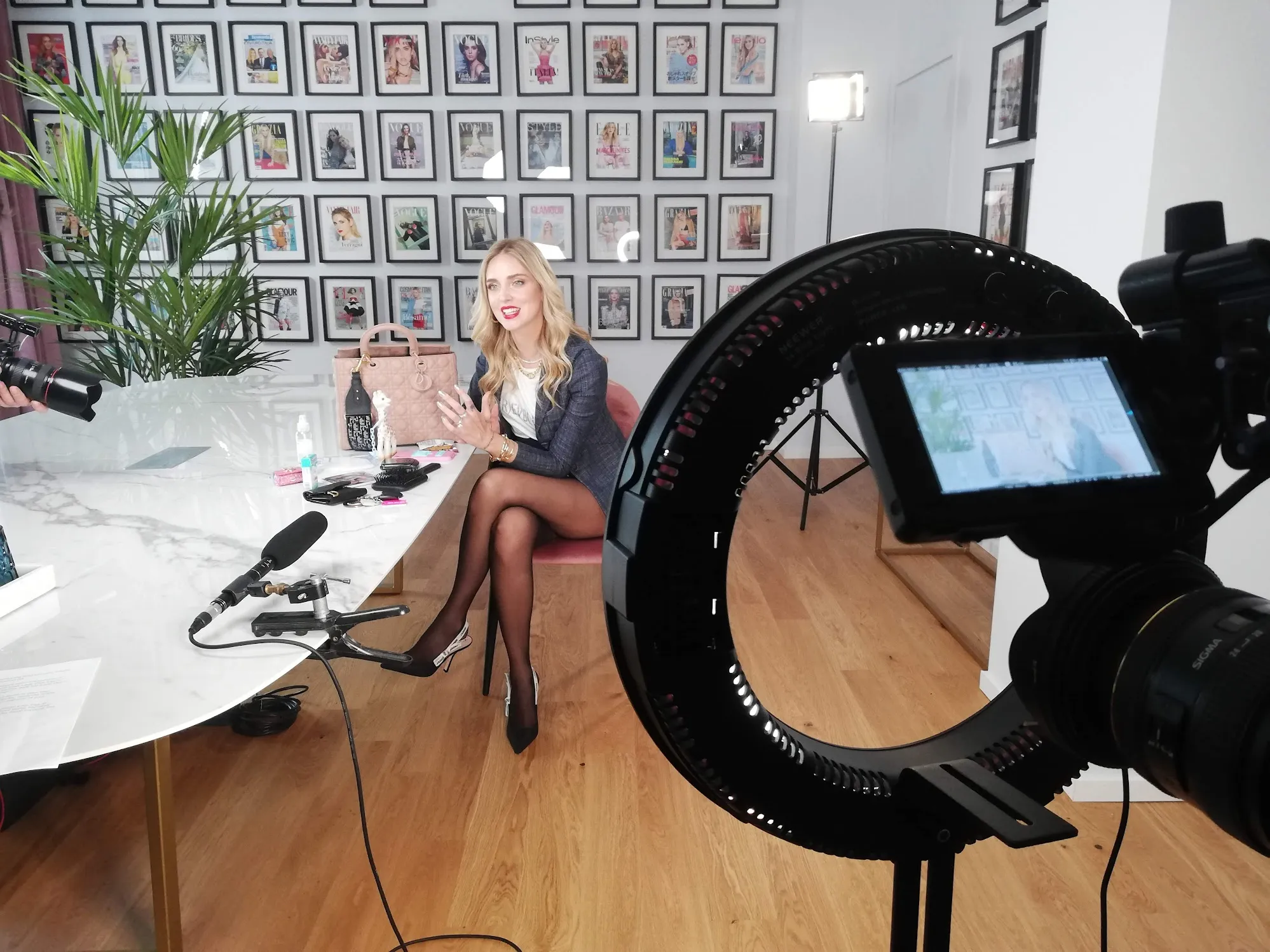
Interview setups from the last few years: an operating theatre, a terrace above San Gimignano, a hotel lobby, a corporate backdrop, an archive library, and the homes of people who moved to Italy, from a garden gazebo to a terrace with a lake behind it. Same job, very different rooms.
Frequently Asked Questions About Interview Filming
Can you film an interview in Italy if the interviewer is abroad?
Yes. I send the live camera and audio feed straight into a Zoom or Meet call, and I put a monitor next to the lens with the remote interviewer on it. The person on camera looks at a face and answers a voice, not an empty room, so it plays as a real conversation. Nobody has to fly in.
Have you directed interviews remotely in Italy before?
I have filmed dozens of interviews directed from another country, including a live interview with Mario Draghi at the Bank of Italy in Rome in 2024, with the interviewer connected from California. The production wanted Draghi to look into the lens and see the interviewer at the same time, so I fed the video call from my laptop into the teleprompter, on the same principle as an Interrotron: the interviewer's face sat on the optical axis of the camera, right where the eyeline had to be. Getting the picture to the other side of the world is the easy half. The hard half is making the person in the chair forget that the conversation is happening on a screen.
Can I see a corporate interview reel?
Yes. The interview work sits in the portfolio, with the finished pieces and three case studies that show how each one was built, including a seven-hour live broadcast from a winery above San Gimignano.
What camera package is included for an interview?
The interview package comes with me and does not need to be rented separately: a Sony FX30 with Samyang prime lenses, my own lighting, my streaming kit and a teleprompter. Larger jobs move up to the Sony Cinema Line bodies, FX9 and FX6, and when a production needs more than one unit I source it from rental houses I work with in Rome and Florence, billed to the production rather than carried on a personal account.
Do you shoot interviews with more than one camera?
Yes. A two-camera setup is my standard for a single speaker: a wide and a tight, so the edit has somewhere to cut. For two people talking I run a camera on each, plus a third for the two-shot when it helps. More cameras are possible when the format needs them.
Do you have a teleprompter?
Yes, I carry an autocue. It's the difference between a spokesperson reading a script naturally down the lens and thirty takes of someone trying to remember a paragraph. For corporate messages, statements and pieces to camera it saves the whole day.
Do you record the audio too?
Yes. Professional microphones are part of the kit: boom, lavalier or both, recorded clean and separate. On an interview the audio is the content, so it never gets treated as an afterthought.
Can you shoot B-roll to go with the interview?
Yes, and I usually recommend it. The statement carries the information, the B-roll carries the place, the hands, the work, the detail that makes it watchable. I shoot both in the same visit, which is the cheapest way to get them.
Can you deliver the finished video, not just the footage?
Yes. If you want the piece ready to publish I take it through post as well: edit, colour correction, titles, subtitles, music and sound mix. I work with specialists I trust in each area and supervise the whole chain, so you deal with one person from the shoot to the delivery.
How many interviews can you shoot in a day?
Typically four to six in one location, once the lighting is set. It depends on how much resetting each one needs and whether the same background works for everyone. Tell me the schedule and I'll tell you what's realistic.
Got someone to interview in Italy?
Tell me who's talking, where they are and who's asking the questions. I'll tell you the setup that fits and what it takes to get it.
Talk About Your Shoot