Filming in Italy
I shoot in Italy as Director of Photography, and on most jobs I put the shoot together as well: crew, equipment, schedule and locations. Thirty years between Florence and the rest of the country means I know which locations work in front of a camera and which ones only look good in photographs, and I know who to call in each of them.
Last updated: October 2026
Why I Call Myself a Production Partner
More Than the Camera
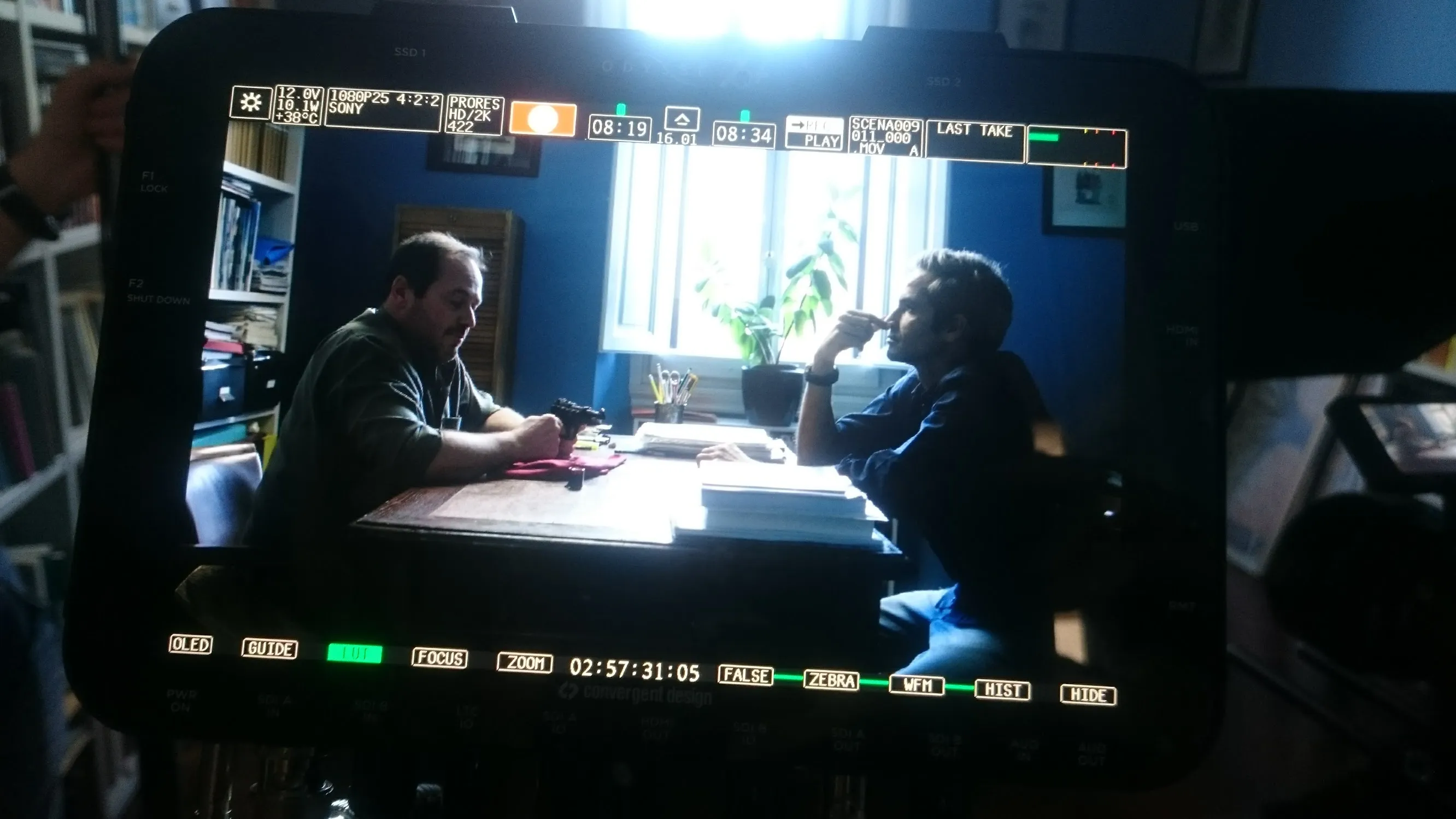
As Director of Photography in Italy I take on a good part of the organisation as well as the camera. I don't just show up on the day, shoot what's on the call sheet and hand over the footage. Sometimes that means a few phone calls, sometimes it means renting the gear and building the crew from scratch. I did it in Taormina for Dior, and I do it on most jobs that reach me from abroad.
Small & Medium Productions
Most of the work that reaches me from abroad is this size, and on these jobs you can talk to me directly. I build the crew, source the equipment, arrange the locations and run the floor, and then I am the one behind the camera. In Rome I ran a four-day corporate convention this way, with three interview units working in parallel and a crew that grew as the days went on.
Larger Productions
Some jobs need departments running at the same time: casting, permits, transport, art, a producer on the phone all day. When that is the shape of the job, a production company carries it and I come in as Director of Photography or camera operator, with the people I have worked alongside for years. I have done it both ways, and knowing which one a job needs is part of what you are hiring.
What Comes With Me
Gaffers, camera assistants, sound recordists and production assistants I have worked with across Italy, all used to international teams. My own camera, lighting, audio and streaming kit, enough to shoot most jobs without renting anything: when something specific is needed, or more than I carry, it comes from rental houses I work with and goes on the production's invoice. Full equipment list. On locations I can make contact ahead of the shoot to find out what we would be walking into, and go and look at the place myself, so nobody discovers on the day that the room faces the wrong way.
Between the first phone call and the moment the director finally calls motore, which is what we shout on an Italian set instead of rolling, there is a lot that has to happen. Permits to obtain, transport to arrange, places for people to sleep, a crew that turns up ready, gear that works in the location we've chosen. My job is to see that every one of those things gets done in the best way possible, at the highest quality I can reach and inside the budget I've been given, which matters more than people like to admit. I lean on the best professionals I know, each one an expert in their own corner, and I keep the whole thing pointed at a single moment: pressing rec.
Every Kind of Production
In thirty years as a Director of Photography I have lit commercials, documentaries, short films, features and interviews in Italy. Each one asks for something different, and the difference is the part I like.
Commercials & Branded Content
A small commercial in Italy is usually a single shooting day. I shoot commercials and branded content for fashion and luxury brands, including Dior in Taormina, the Lady Dior film with Chiara Ferragni and the Miss Dior campaign, plus years of savoir-faire films inside the workshops where the pieces are made. Fast, precise, brand-driven: the look is everything and the schedule is tight, so the prep has to be flawless before the first setup.
Documentary
I shoot documentaries in Italy with small crews in real locations, including Home Game for Netflix and The World of Olive Oil for PBS, plus work that has reached BBC, Vice and the Washington Post. Light you don't always control. You learn to read a room fast and make it look like you planned it.
Short Film & Narrative
My short film and narrative work in Italy has won awards: The Screenwriter took Best Cinematography at the 54th Cartagena film festival and La Fèmmina won the Fabrique du Cinema award. This is where I get to chase a story with the light. Festival juries watch these frame by frame, and that keeps you honest.
Feature Film
I have shot two feature films in Italy start to finish as Director of Photography, Doppia Coppia and Come Se Non Ci Fosse Un Domani. The long haul: weeks on set, a full unit, a look that has to hold for ninety minutes without a seam.
Interviews & Editorial
I film interviews and editorial pieces across Italy, one camera or several, with B-roll to go with them: statements, expert commentary and testimonials. I can also stream the camera feed live into a Zoom or Meet call so the interviewer runs it from abroad. More on interview filming →
How It Works
Tell me what you are planning and you will get a straight answer. First I ask for everything: the brief, the dates, the locations if you already have them, and any references or examples of the look you are after. Then I come back with a proposal built on what you actually told me, and that proposal sometimes includes people I bring in, colleagues with years in the production department or specialists for whatever the job turns out to need.
We decide together whether it needs a larger structure on the ground, or whether I can carry it with the people and the equipment I bring myself.
Recent work includes Dior, Netflix, PBS, BBC, Vice and the Washington Post, plus award-winning short films at the Cartagena and Fabrique du Cinema festivals.
Talk About Your Shoot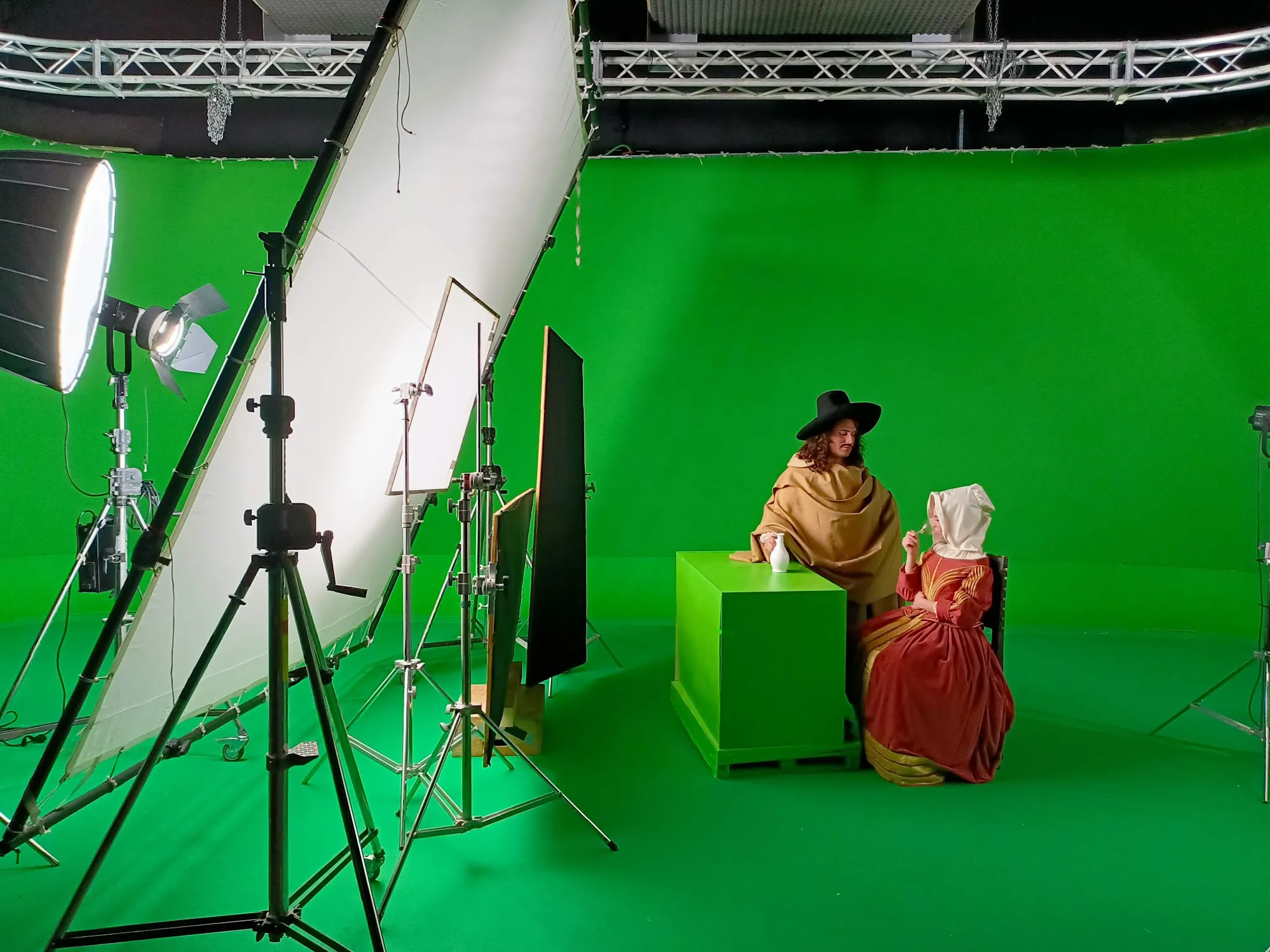
Frequently Asked Questions About Filming in Italy
Do I need a production company, or can I work with you directly?
On a small or medium shoot you can work with me directly: I build the crew, source the equipment and shoot it. The person who answers your email is the person who shoots it. When a job needs several departments running at once, it needs a production company, and then I come in as Director of Photography inside that team.
Tell me what the job is and I will tell you which of the two it is, before you commit to either.
Do I need filming permits to shoot in Italy?
A filming permit in Italy takes two to four weeks, depending on the city, the location and the time of year. Shooting in public spaces means applying to the local municipality, the Comune, and every city has its own rules: Rome, Florence and Venice each have their own film commission. Permits aren't my area, so I don't improvise. I bring in local colleagues who do this for a living and know exactly who to call.
Can you film in a public square in Italy without a permit?
Filming in an Italian public square without a permit can bring a fine from the local police, and in thirty years of work it has never happened to me. What sits between the rule and what actually happens on the ground is the size of the crew: three people with one camera are not treated like a twenty-person unit with trucks and a lighting rig parked in a piazza.
Permits are still not my area and I don't improvise around them. When a shoot needs one I bring in local colleagues who do this for a living, the same way I would bring in a gaffer instead of guessing at the lighting.
Do you speak English on set?
I work in English on set with British and American crews, and I am not a native speaker. I hold my own in about ninety percent of conversations, including the ones that have nothing to do with filming: philosophy, politics, history.
I make mistakes and I am not embarrassed by them. On a set that matters more than perfect grammar, because the thing that costs money is not a wrong tense, it is a misunderstanding nobody admitted to in time.
How far in advance should I plan an international shoot in Italy?
For an interview, a few days can be enough. For a commercial or a short film, three weeks is the absolute minimum and four to six weeks is comfortable. If you want historic locations, public spaces in tourist areas or drone permits, give it two or three months. The earlier you call, the more options stay open. Spring and summer fill up fast.
Can you provide a complete crew for a production in Italy?
Yes. Thirty years in this business means I know who's good: gaffers, camera assistants, sound recordists, production managers across Italy. I've worked with all of them personally. They're used to international productions and they speak English on set. Nobody comes from a database.
What areas of Italy do you cover?
I'm based in Florence, so Tuscany is home ground. But I've shot in Rome, Milan, on the Amalfi Coast, in Sicily, Sardinia, the Dolomites, Puglia. For the places I know less well, I'll connect you with someone local I trust rather than pretend I know everything.
When is the best time of year to film in Tuscany?
There isn't a single best season, only the right one for your story. September and October bring the grape harvest and warm gold light to the hills. Summer belongs to the coast and the islands. Winter empties the cities and puts snow on the mountains. Tell me what you're shooting and I'll tell you when to come. One thing to plan around: in August much of Italy closes for Ferragosto, so staffing is tougher.
Can I rent camera and lighting equipment in Italy?
Yes. I carry my own Sony FX Cinema Line kit as a base, and for anything beyond it I work with rental houses across Italy that I trust. You don't need to ship gear in: whatever the shoot calls for, we source it here.
What does local production support actually include?
Crew, equipment, schedules, location scouting: the practical side of getting a shoot ready in a country you don't know well. On small and medium jobs I can organise nearly all of it myself. On bigger ones my team covers permits, casting, travel, accommodation and transport. Whatever stands between the production and the set gets handled, at the best quality the budget allows. It all serves one purpose: getting to the moment we roll camera.