Filming How Luxury Is Actually Made
Over six years I have shot dozens of Savoir-Faire films for Dior as director of photography, inside the Italian workshops where the pieces are made.
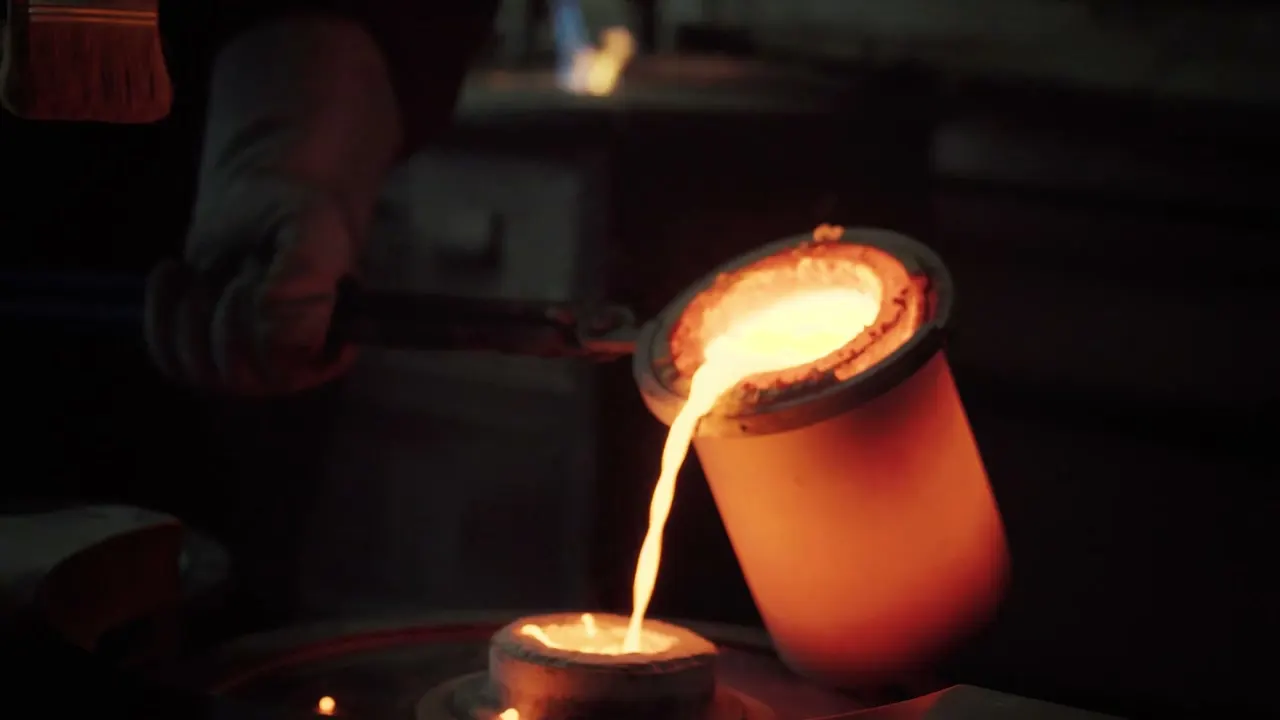
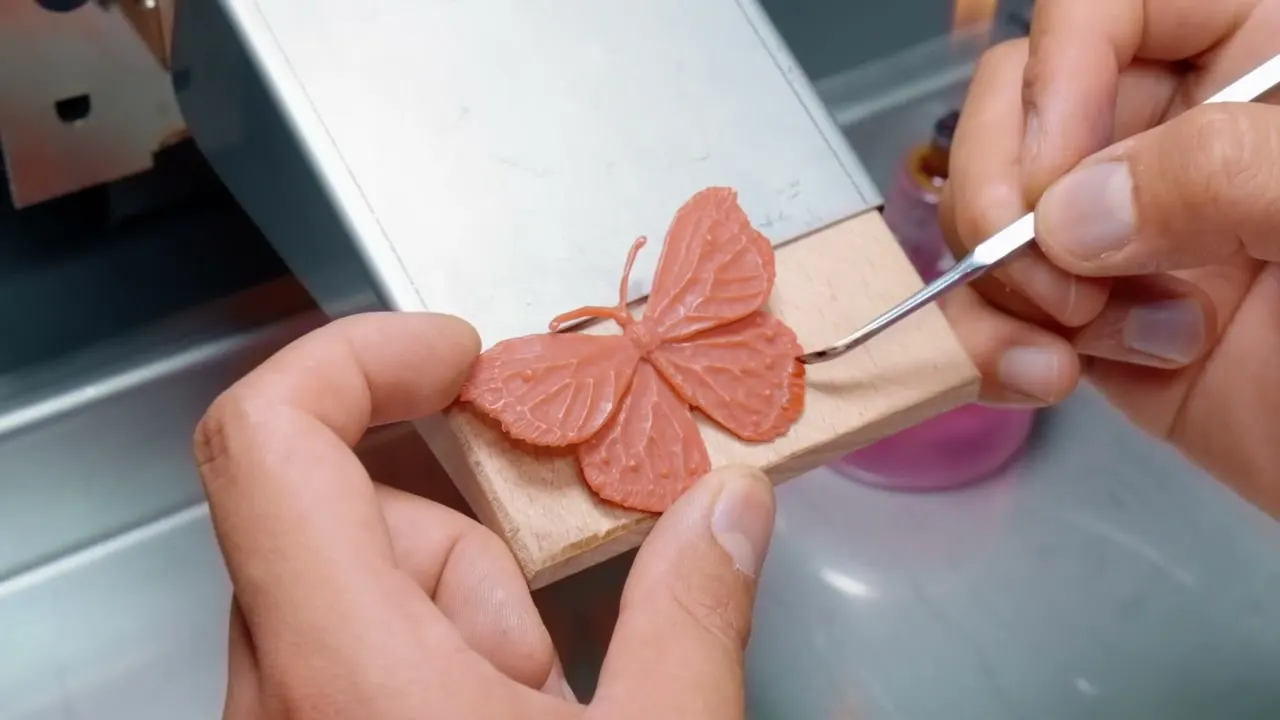
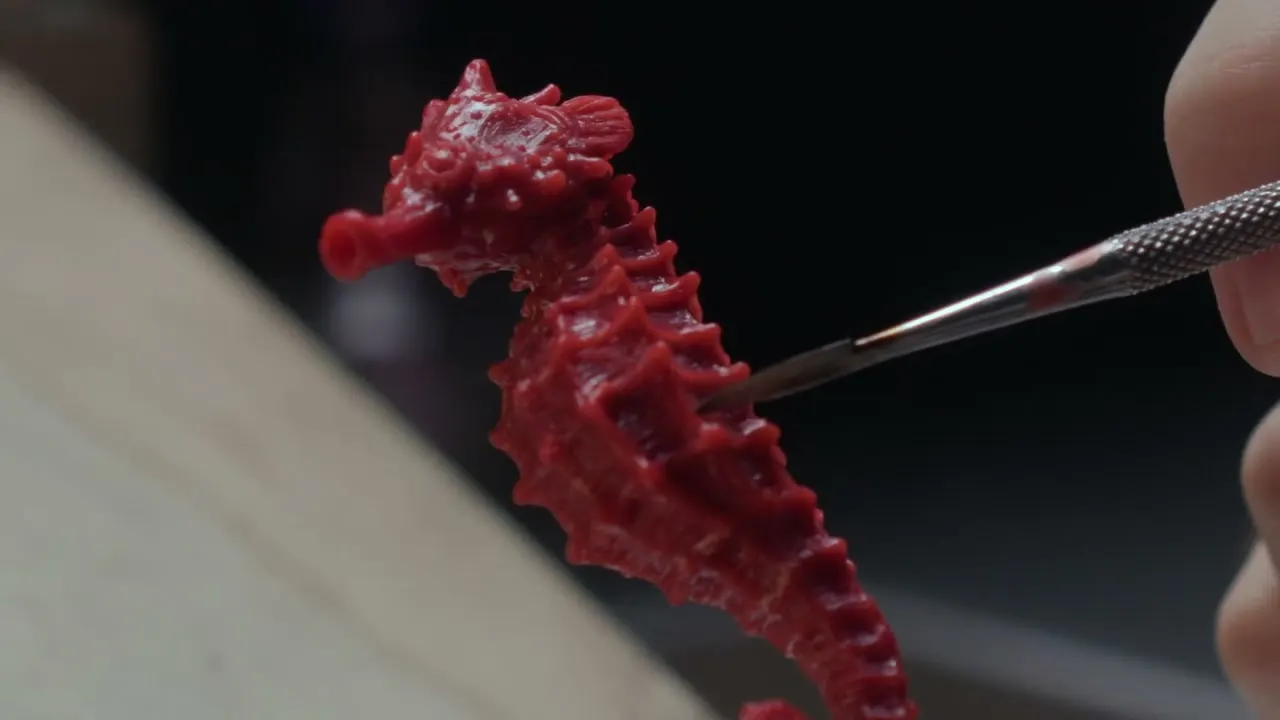
Most of them run about sixty seconds. A minute is enough to watch molten gold pour out of the crucible, or a seahorse take shape in red wax long before it becomes metal, or a needle pass through leather along a line no machine would find on its own.
What I film is not the finished object. It is the four seconds before it exists, when a hand that has made the same movement ten thousand times still slows down at the same point.
These films were produced by Pan Pan Productions and directed by Melinda Triana. I was the director of photography on all of them.
Last updated: September 2026
The Map of Italian Manufacturing
Luxury manufacturing in Italy is not in one place. It is spread across districts that each do one thing, and have done it for generations. The work follows that map: bags in Scandicci, goldsmithing in Arezzo, silk and jacquard in Como, machine embroidery in Perugia, shoes around Padua, straw weaving in the Marche, leather flowers in Bologna, eyewear in Belluno.
Scandicci, Bags
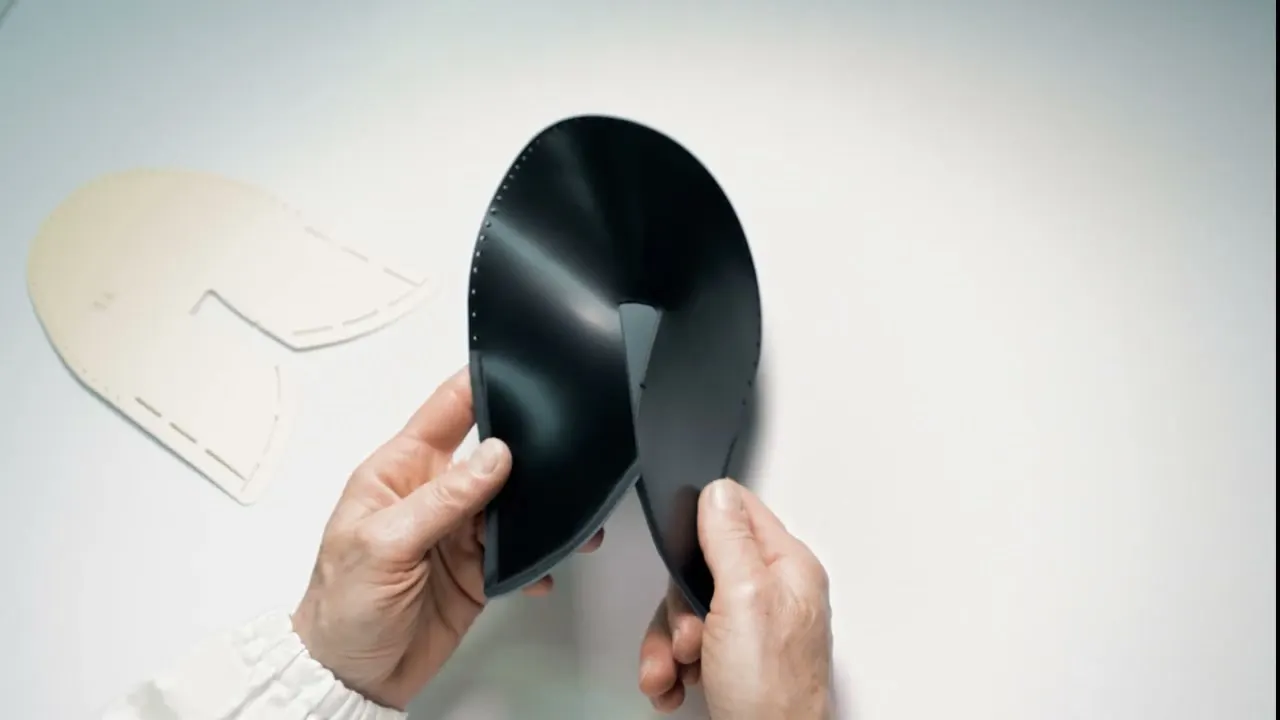
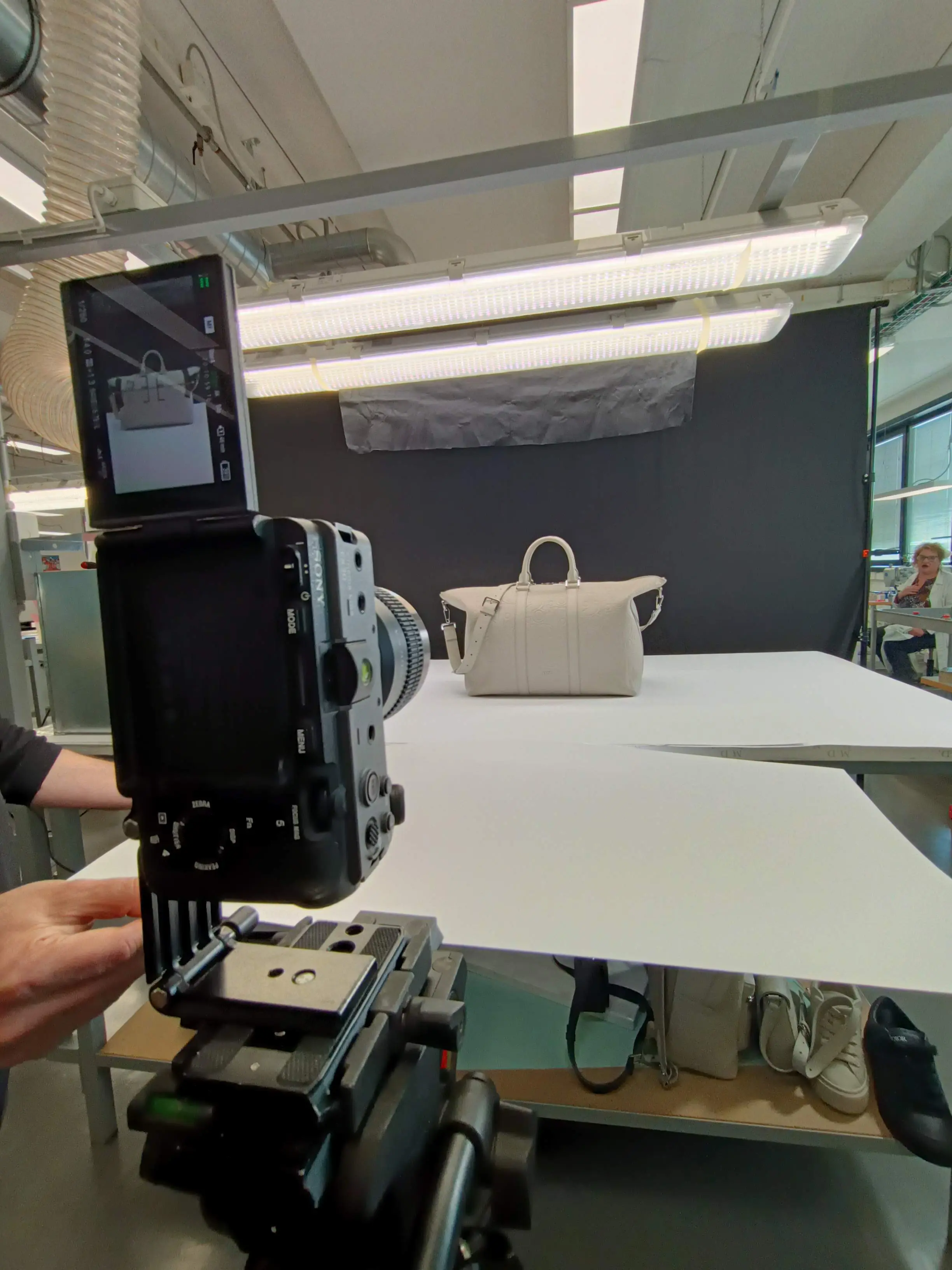
The bags are assembled in Scandicci, just outside Florence. I have filmed leather there being cut, embossed, waxed and stitched, from the first pass of the blade to the moment a clasp finally closes. Dior gives the measure for one of these pieces: a tooled leather Book Tote is laser cut, then worked by hand and progressively waxed and coloured, twelve to sixteen hours per bag. What the camera has to hold is the part in between, when the leather is neither material nor object.
Arezzo, Goldsmithing
Arezzo is Italy's goldsmithing district, and it makes far more than rings. Belts, shoulder chains, necklaces and buckles are cast, polished and set there. This is the hardest work to light. Gold rejects you: it either goes flat or it burns. I bring my own lights because a bench in Arezzo is lit for someone who has to see what they are doing, not for a camera.
Como, Silk and Textiles
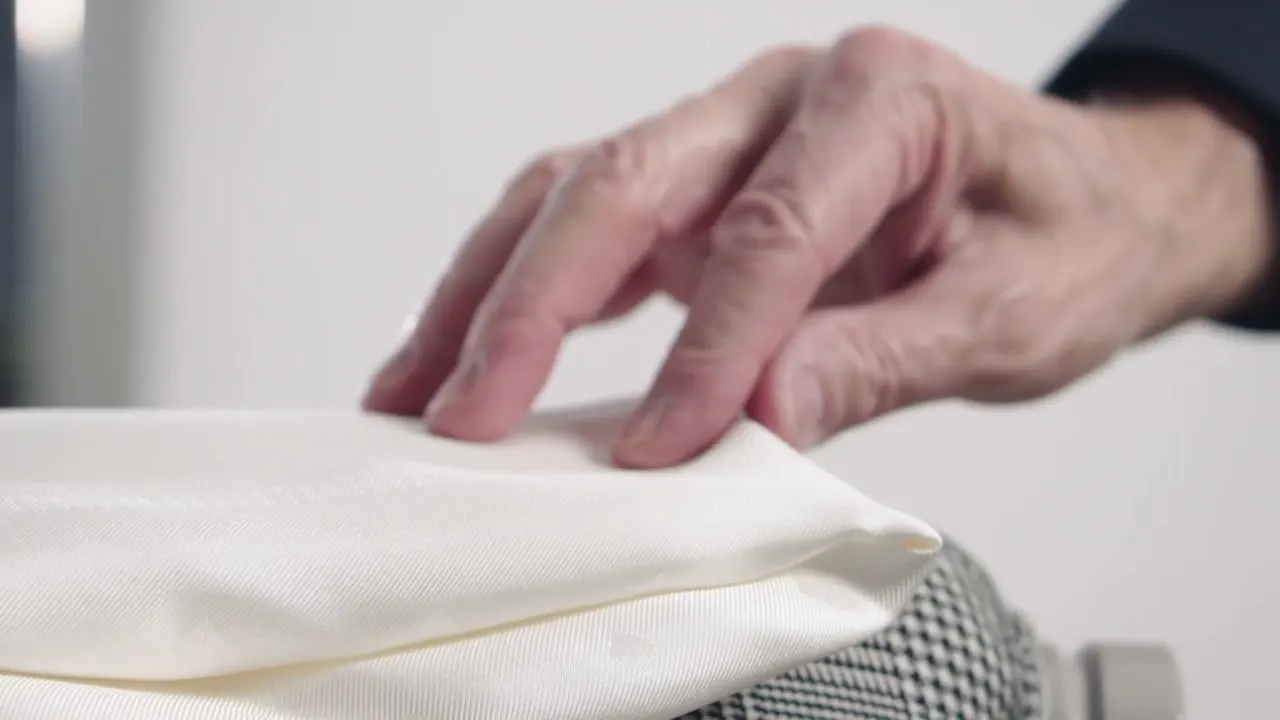
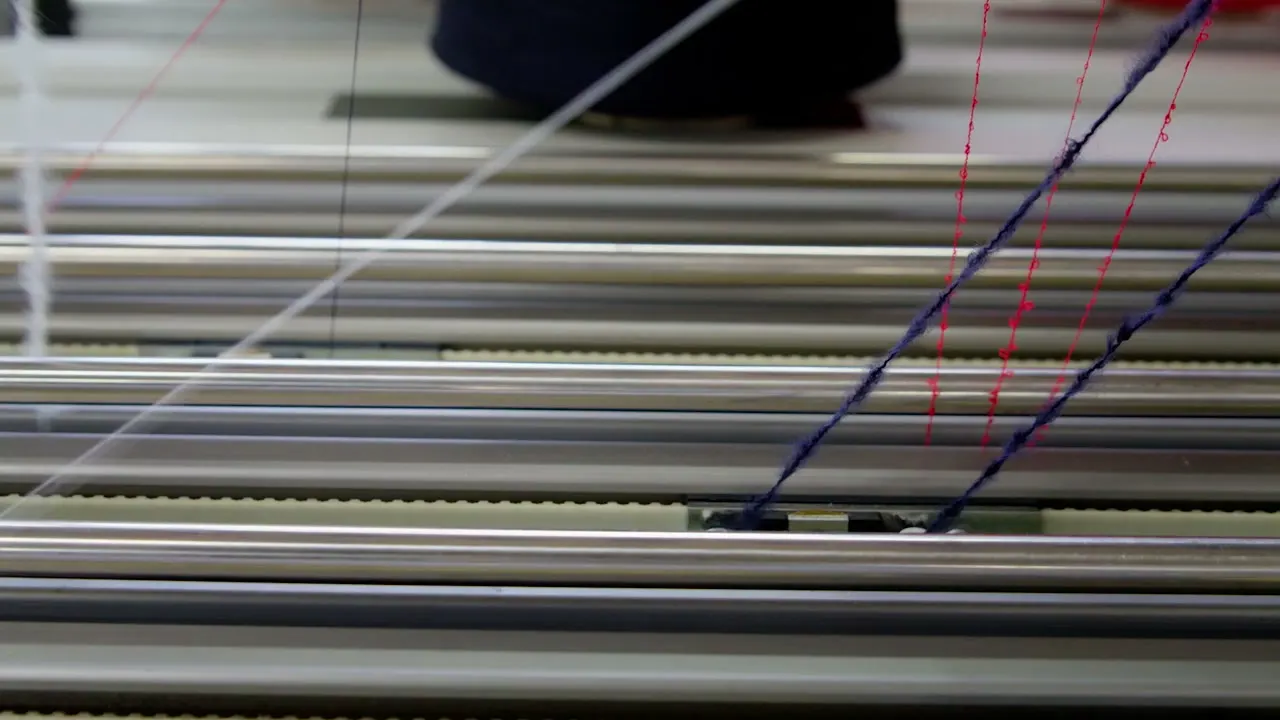
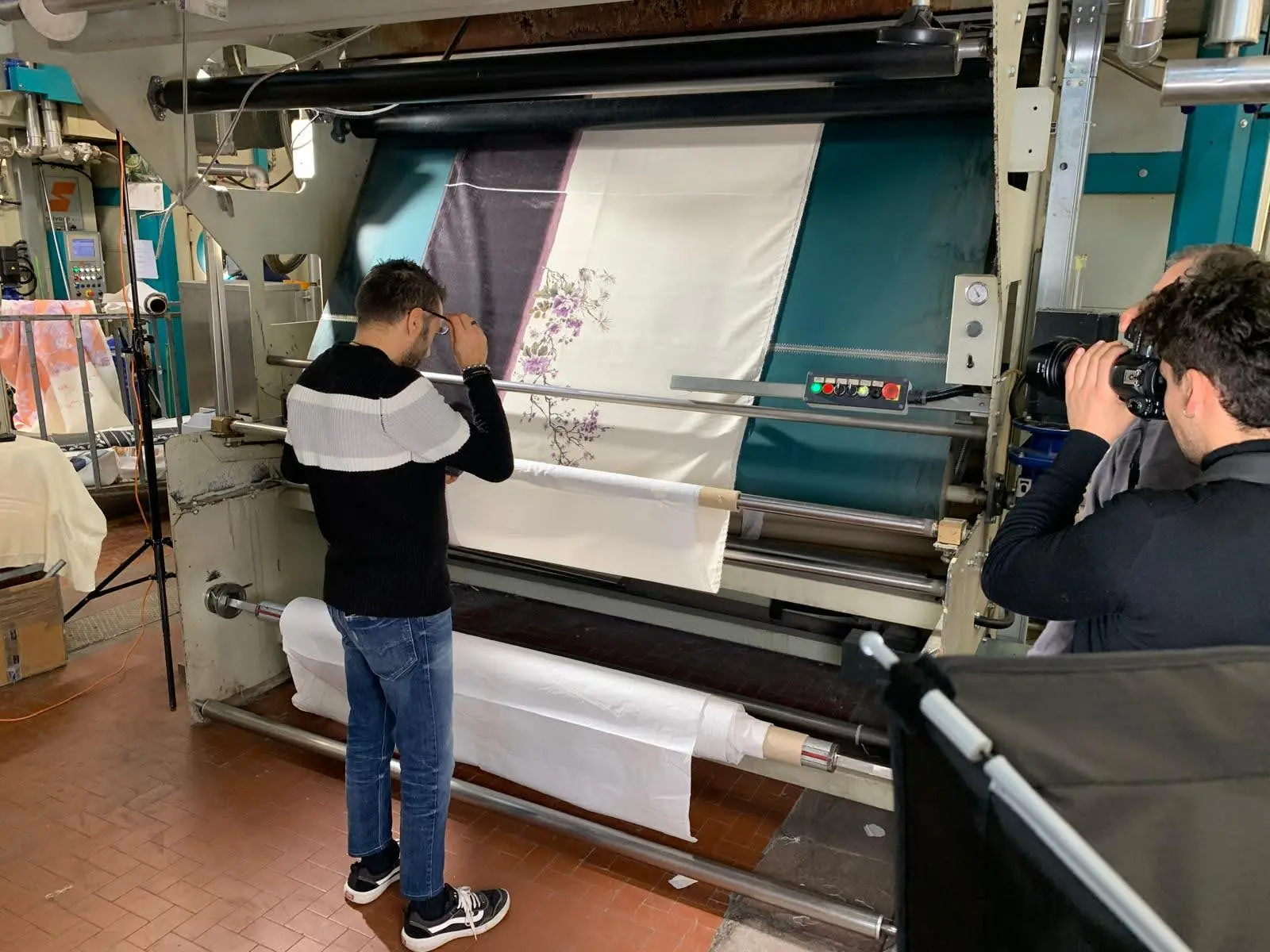
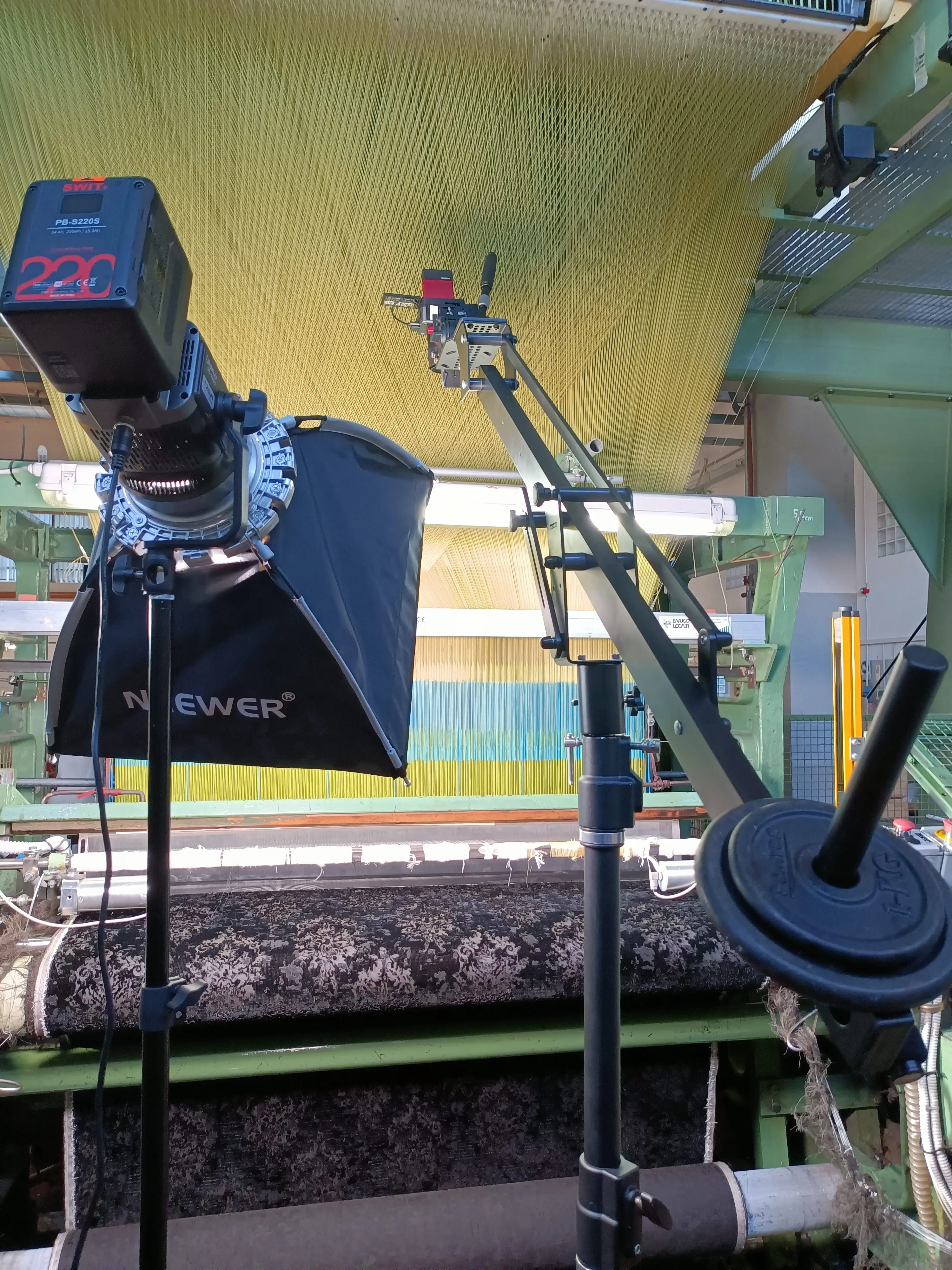
Como weaves and prints the silk. The jacquard velvets of the Dior Autumn-Winter 2025 collection were made there by Clerici Tessuto, credited by Dior itself. The Plan de Paris scarf explains the order of operations better than I can: the fabric is woven as jacquard first, then printed, so the map of Paris lands on silk that already has its own structure. On a loom nothing waits for you. You film at the speed of the machine.
Padua, Footwear
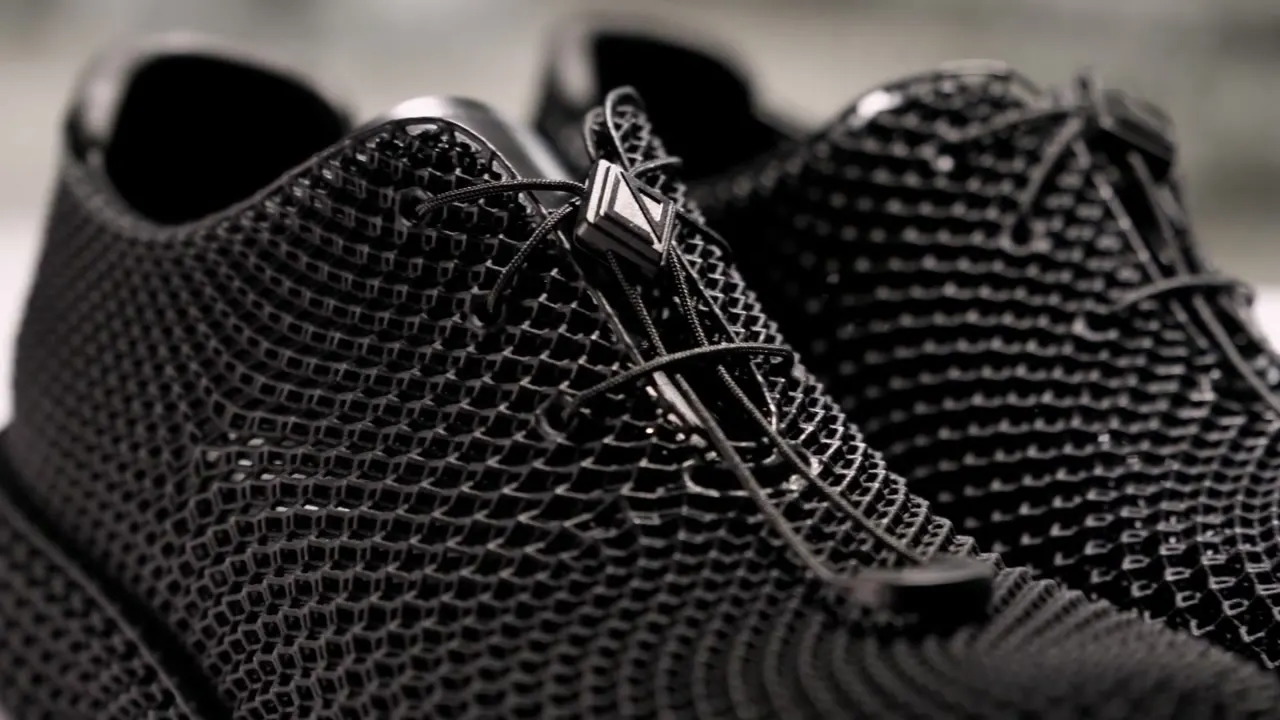
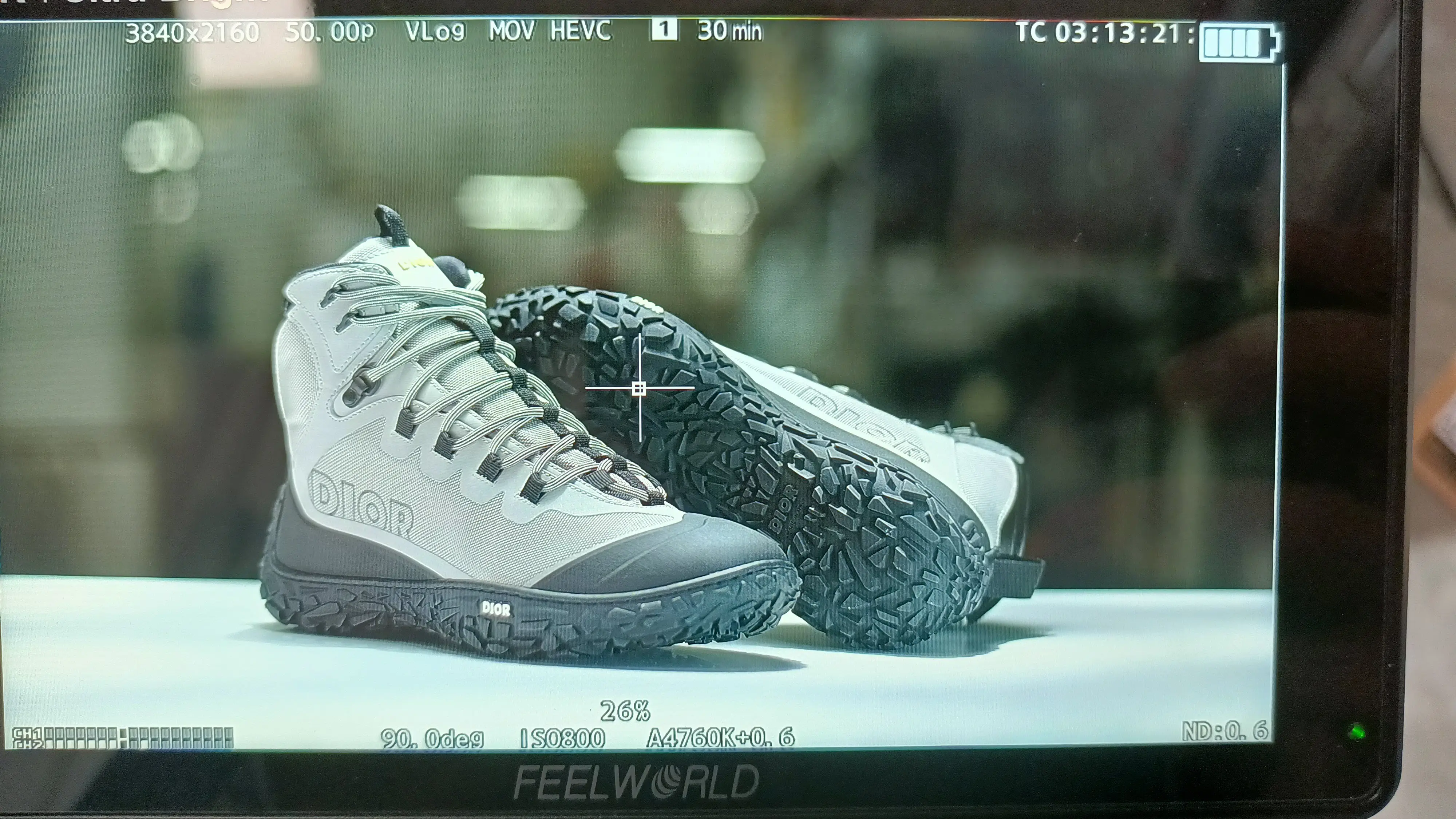
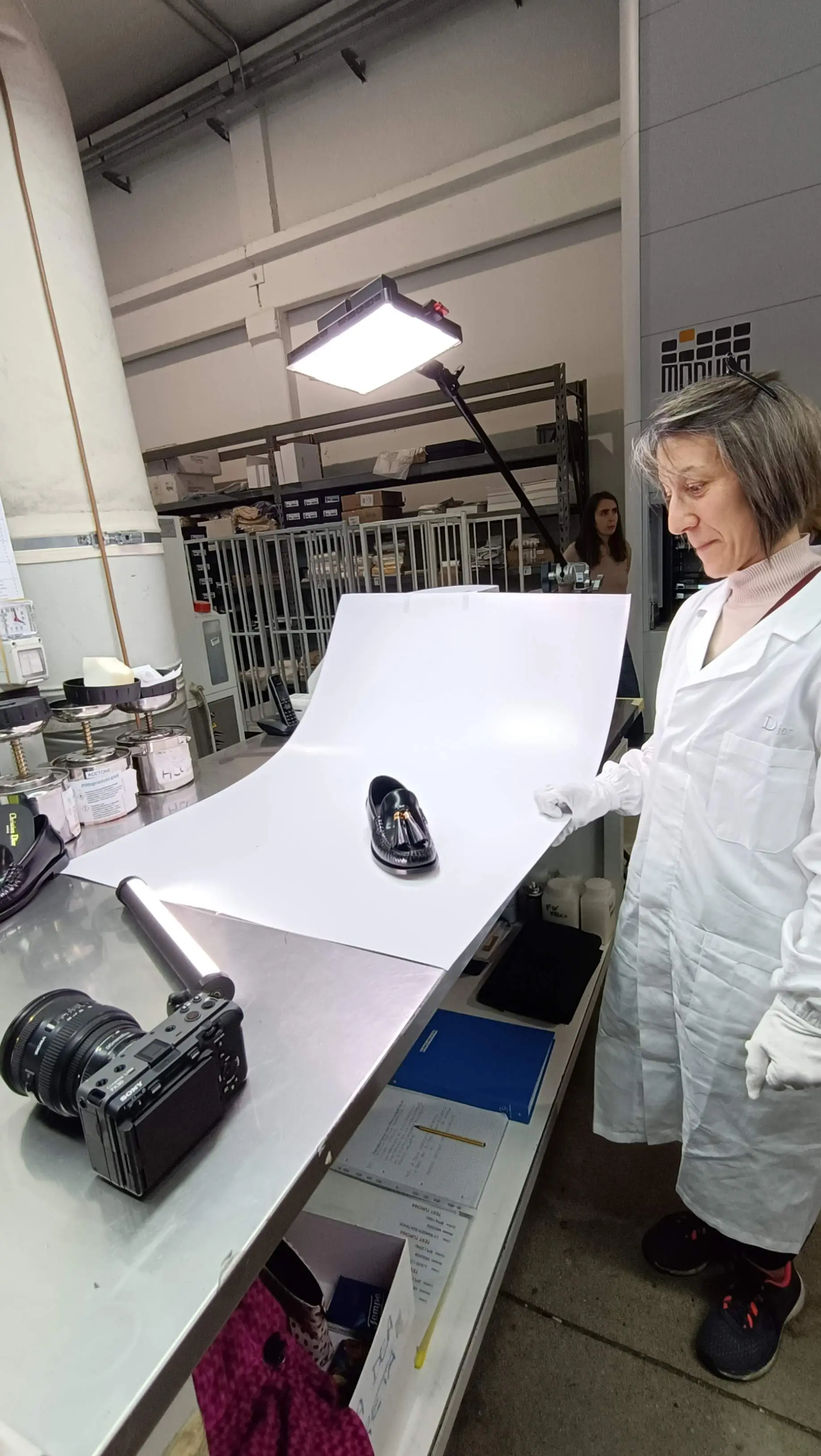
Shoes are made around Padua. I have filmed the D-Academy loafer there, with its beefroll stitching and its Goodyear welted sole, and I have filmed a sole being printed in three dimensions for the Dior Men Winter 2023 collection. Those two days are the whole argument of this page. Same district, same hands, one shoe built the way shoes have been built for a century and one grown by a machine overnight.
Perugia, Machine Embroidery
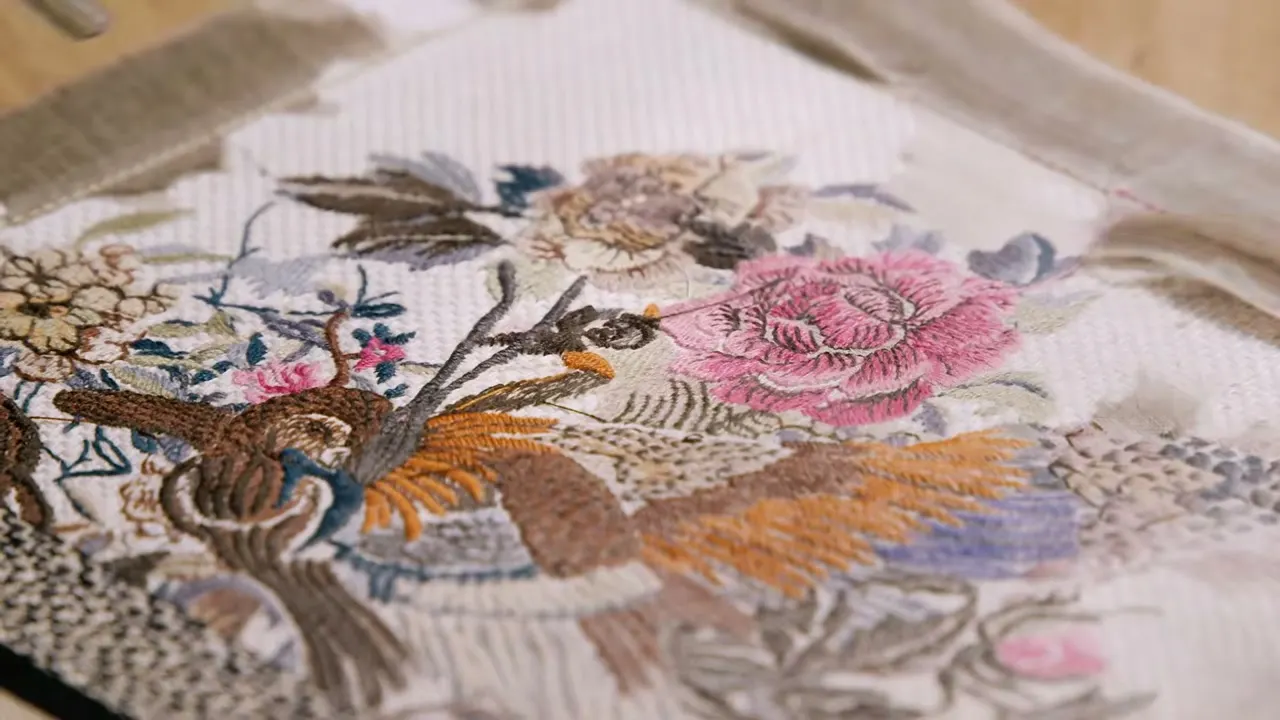
Perugia does the machine embroidery. The Jardin d'Hiver Dior Book Tote is covered in it, and the needle moves faster than the eye follows. Filming it is a question of shutter and patience: you shoot far more than you need, because the one frame where the thread is caught mid-air is the frame that makes the film.
The Marche, Straw and Denim
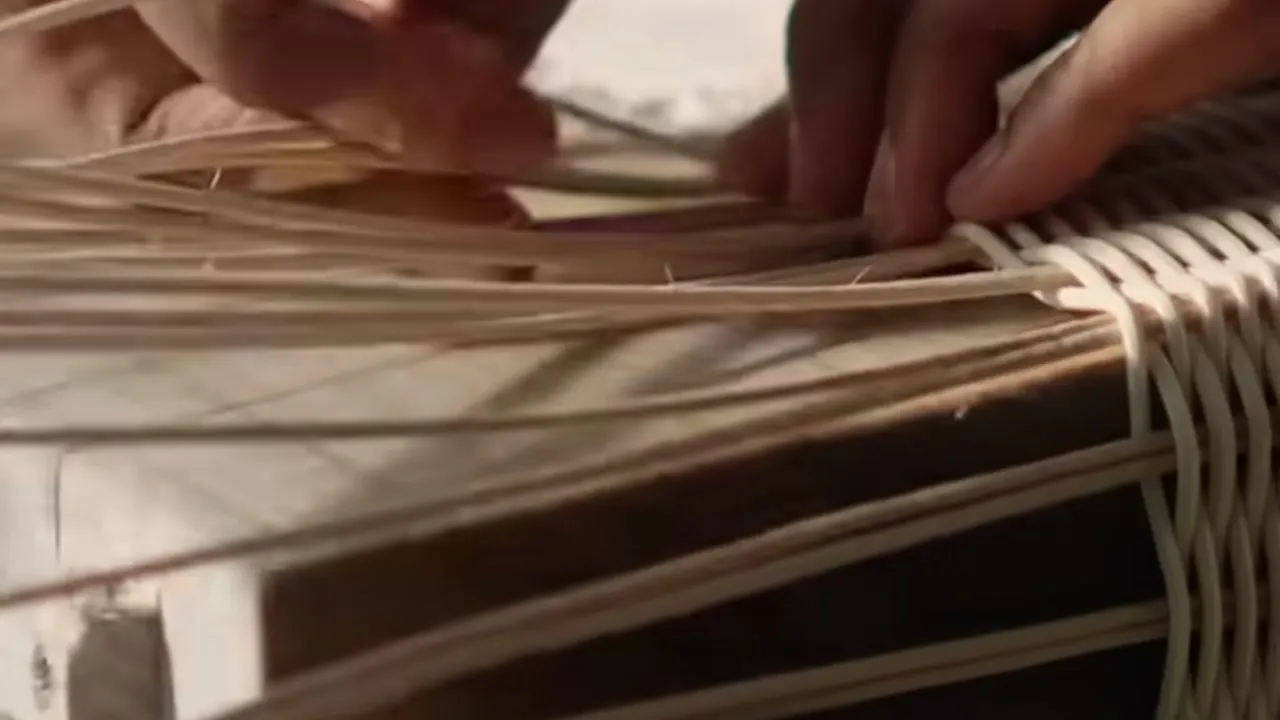
The Marche weave straw and work denim. The wicker Lady Dior is woven there by hand, and I have shot denim in the same region. Straw is the most difficult surface of the lot, because it is pale, matte and irregular all at once, and every light you add flattens it a little more.
Bologna, Leather Flowers
Bologna does the strangest job on this list: it turns embroidery into leather. For the Dior Autumn-Winter 2023 collection, the flower embroideries of an evening dress were remade in black leather, petal by petal, for a skirt in the same material.
Belluno, Eyewear
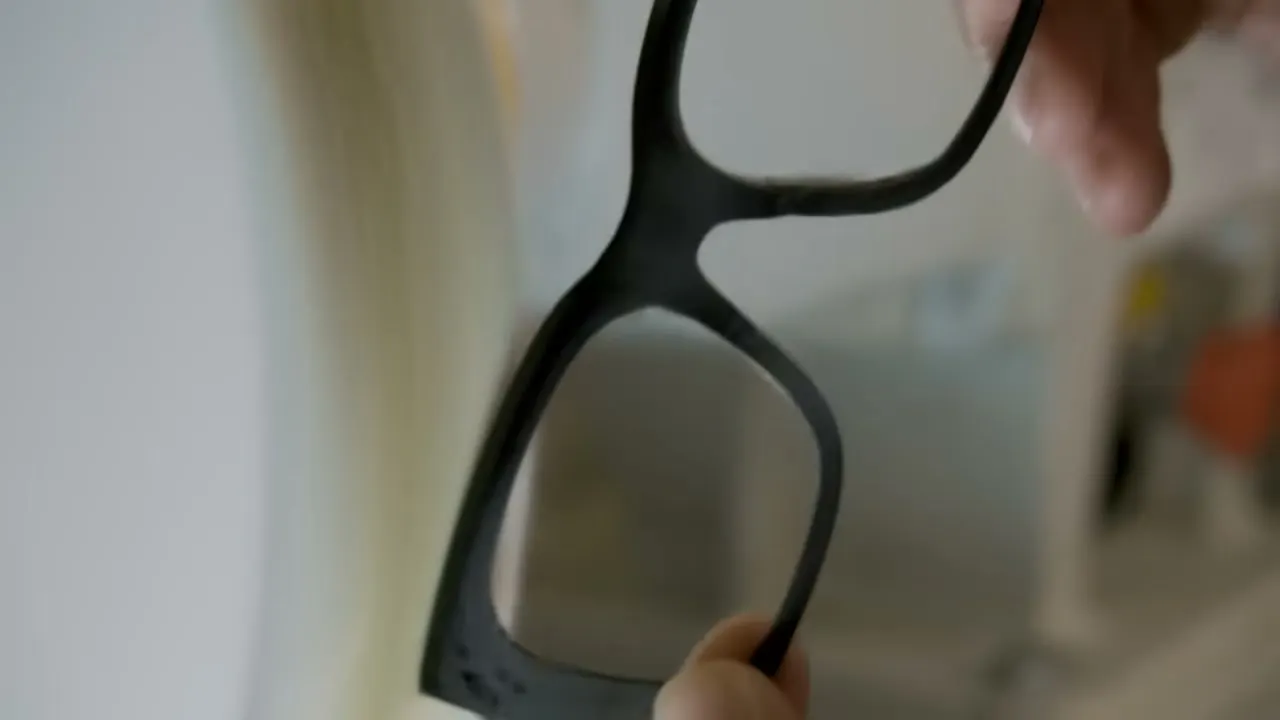
Eyewear comes from the Belluno district, in the mountains north of Venice, where a large share of the world's luxury frames are made. I filmed the CD Diamond sunglasses there. It is the least romantic place on this list and the one I would go back to first. The rooms are white, the tolerances are measured in fractions of a millimetre, and a lens has to be lit so that you see through it and see it at the same time.
Near Piacenza, Boxes and Cases
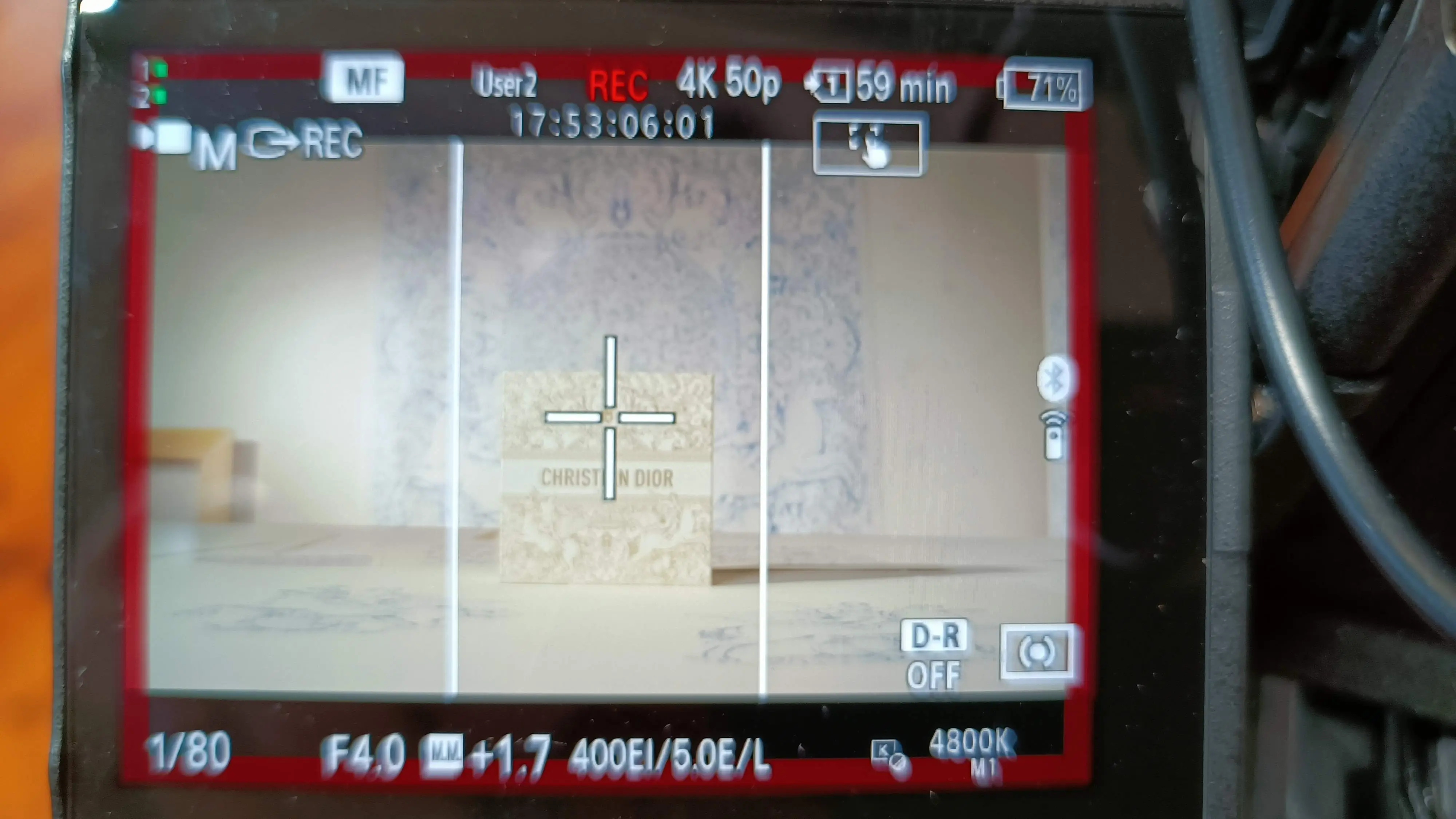
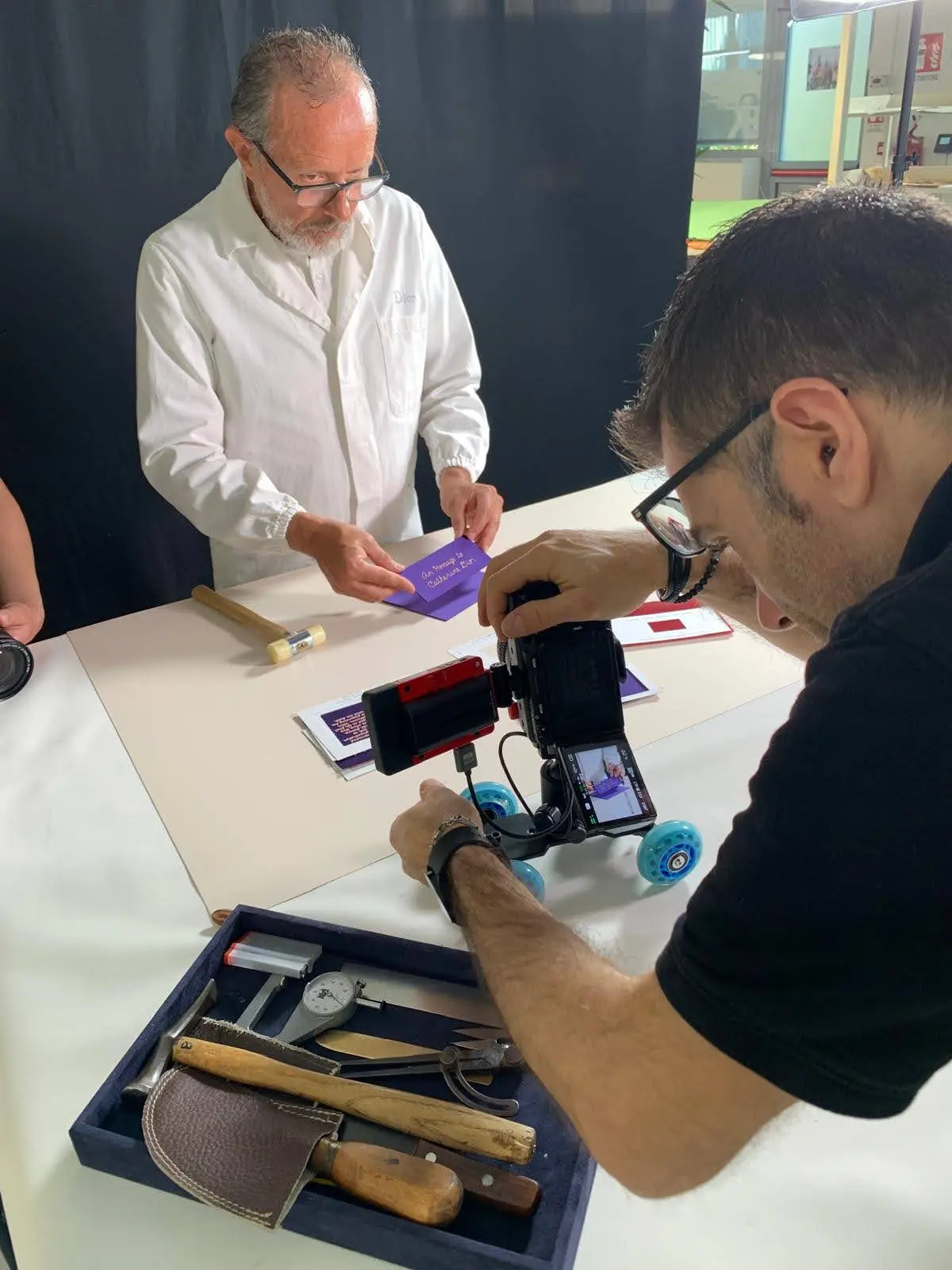
There is a workshop near Piacenza that does nothing but boxes and cases for Dior. It is the one place on this map that does not shape a material at all: it builds the thing that holds the product, which turns out to need as many hands as the product itself. The Miss Dior case designed by the artist Judy Chicago as a tribute to Catherine Dior, Christian Dior's sister and a member of the French Resistance, took fourteen separate steps by Dior's own count, from adapting her motifs to the assembly of each element. Watch on Instagram →
I shot the making-of, which also runs through the longer film with Judy Chicago in her studio, published by Dior on YouTube. Watch on YouTube →
Every one of these districts makes the same request of a camera, and it is not the request a studio makes. The room was built for someone who has to see their own hands, at a bench that has been in the same position for twenty years, with a window in the wrong place and a machine that cannot be moved and will not wait. You bring your own light, you work around what is already there, and you try to leave the place exactly as you found it, because tomorrow morning somebody has to go back to work in it.
The Films
Fifteen of them, one or two from each district. They were published on Dior's own channels, so what you see here is the work as the maison released it.
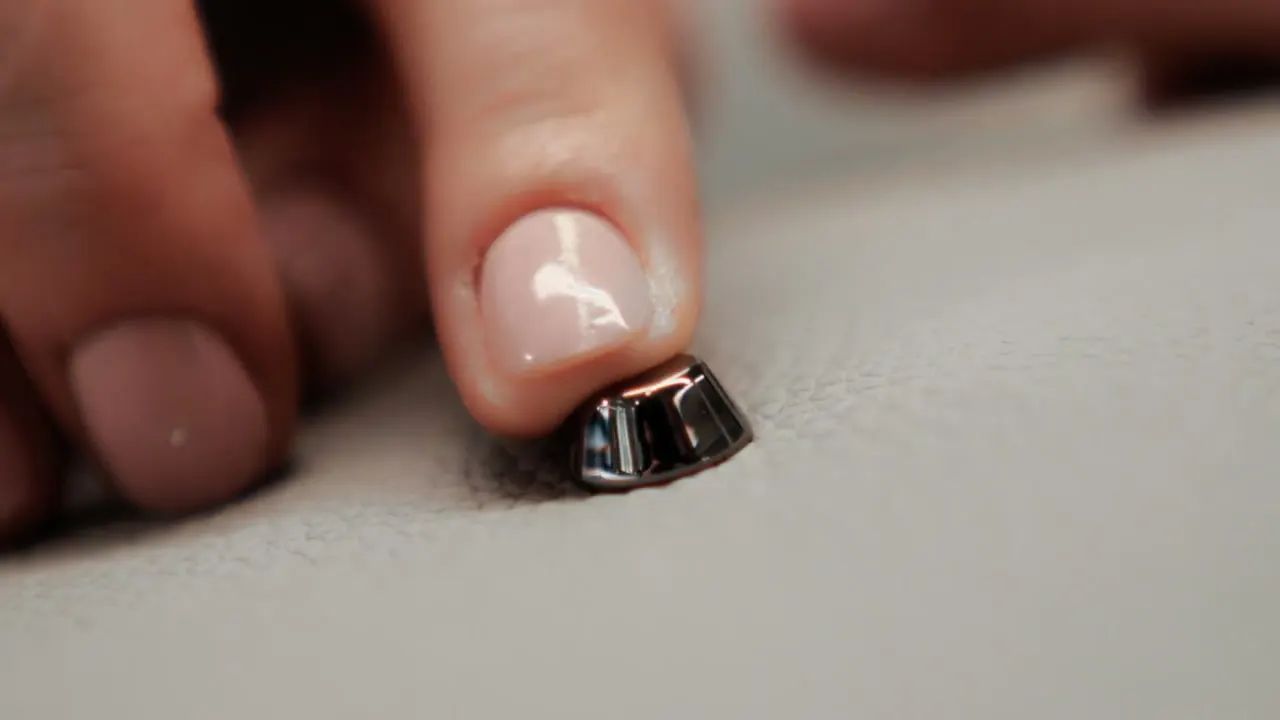
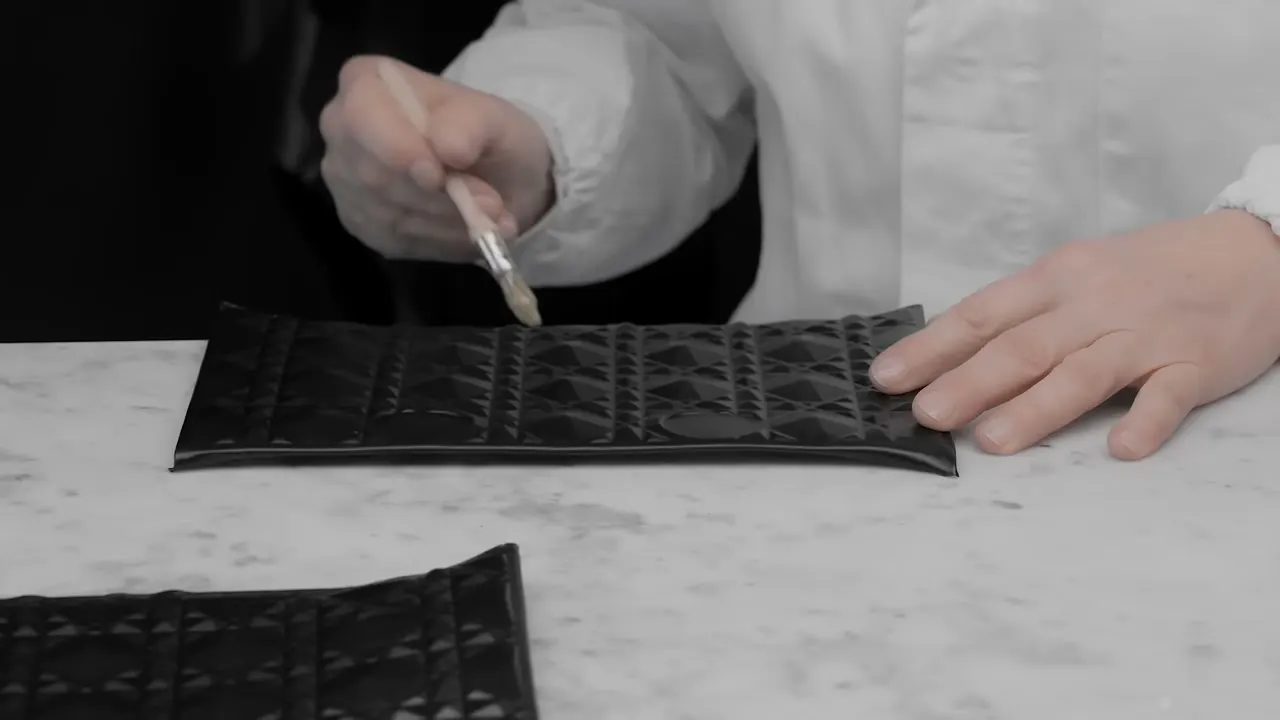
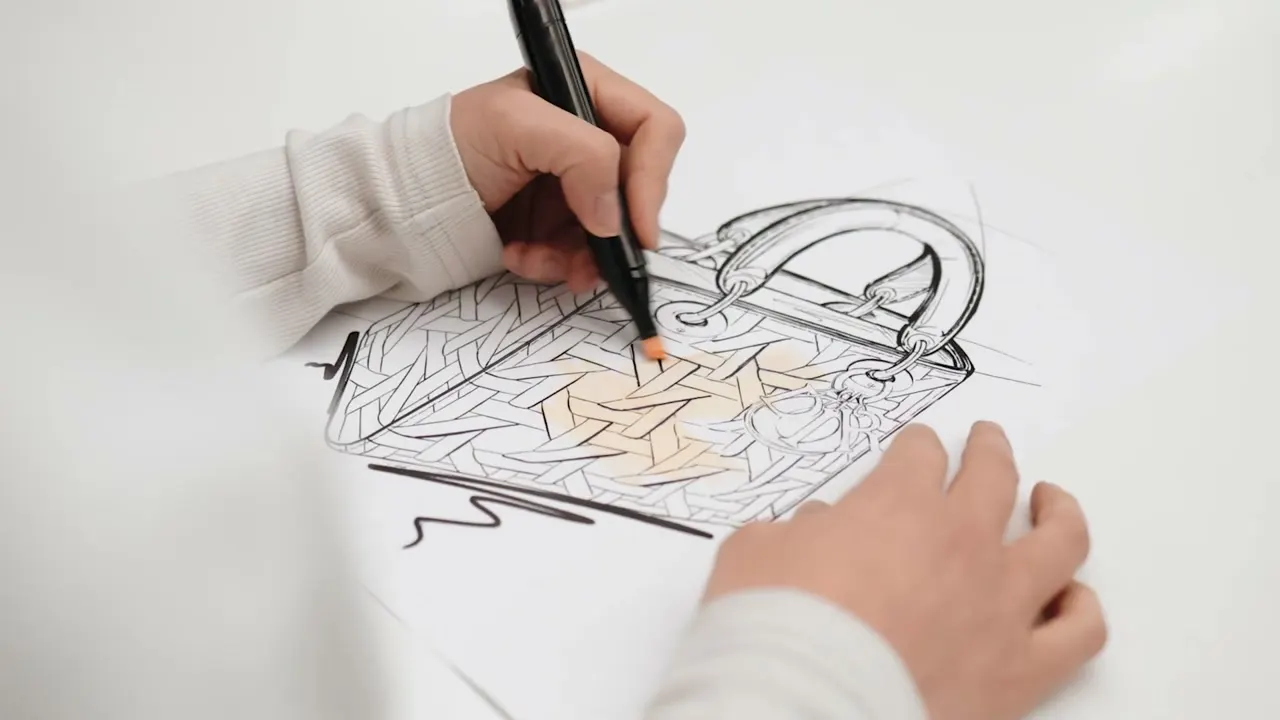
More Films, Published on Instagram
Some of the work I shot for Dior was only ever released as short vertical films on the maison's Instagram. These are the pieces behind them, with the details Dior itself published about how they were made. Each link opens the original post.
A Couture Gown for Chiara Ferragni
Dior puts it at 300 hours of embroidery in emerald seed beads, and four petites mains spent another 100 hours assembling it. I filmed the fitting at the Dior boutique on Via Montenapoleone. Watch on Instagram →
Cotton Woven With Steel
A dense cotton warp woven with a satin weft of extremely fine stainless steel yarn, which gives the creased fabrics of the collection a soft architecture of their own. Watch on Instagram →
Figured Jacquard Velvet
The richly textured velvets of the collection come out of a jacquard weaving process Dior describes as technically complex, woven by Clerici Tessuto in Como. Watch on Instagram →
Embroidery Remade in Leather
The fragile flower embroideries of the 1949 Miss Dior dress, reimagined in black leather for a skirt in the same material. Watch on Instagram →
Stones Set by Claw
Clear and coloured stones claw-set into embroideries, drawing on costume jewellery and the Byzantine decoration of a 1948 jacket by Christian Dior. Watch on Instagram →
Fabric Woven to Refract Light
Cosmic prints engineered to read as single images across pieces cut like early astronaut suits, in technical fabrics woven specially to refract light. Watch on Instagram →
One Screen for Every Colour
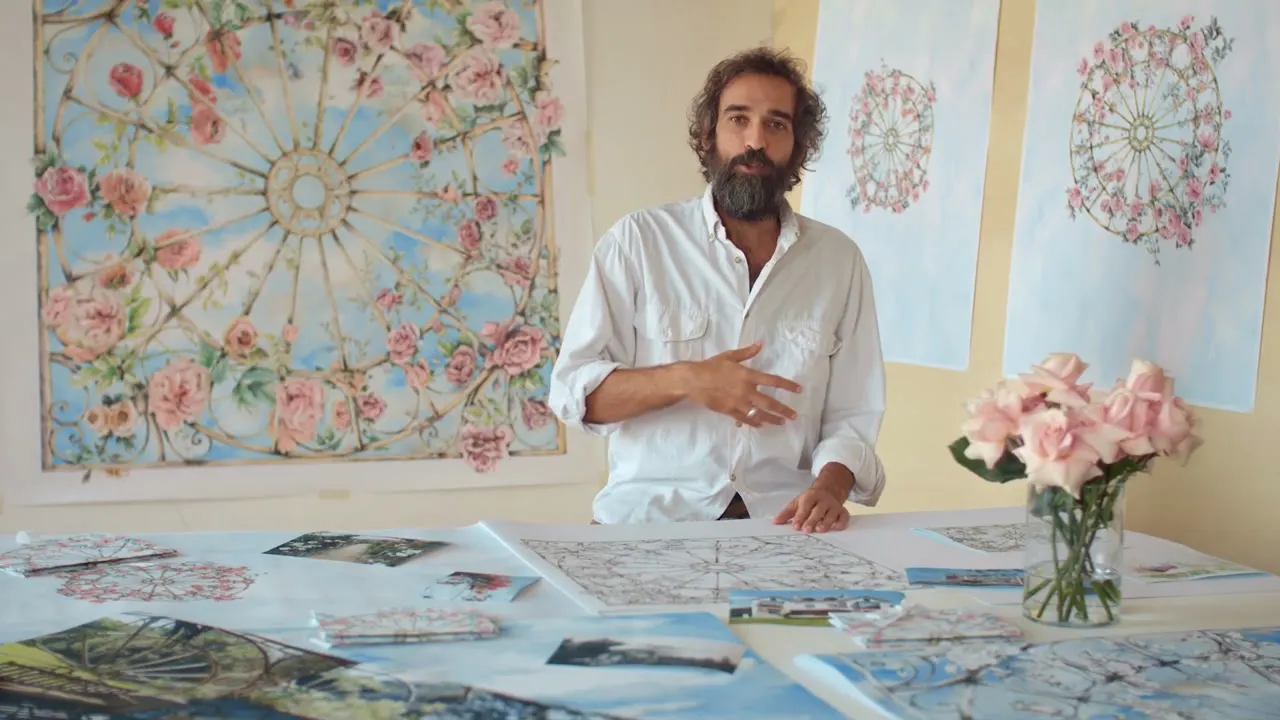
Pietro Ruffo's D-Jungle Pop designs printed onto silk scarves with a separate screen for each colour, then finished with hand-rolled edges. Watch on Instagram →
Seventy-Eight Tarot Cards
Pietro Ruffo reimagined the tarot in 78 hand-drawn motifs with no human figures, translated into woven, painted, printed and embroidered fabrics. Watch on Instagram →
A Drawing Embossed Into Leather
Pietro Ruffo's hand-drawn Rêve d'Infini motif, embossed in relief into the leather of a handmade Lady Dior. Watch on Instagram →
The 1967 Miss Dior Logo
The Miss Dior logo, first drawn in 1967, transferred onto pieces of the collection by screen printing. Watch on Instagram →
Diorizon
A hybrid of hiking shoe and sneaker, with a three-dimensional sole and an embroidered logo, handcrafted in the Dior ateliers in Italy. Watch on Instagram →
A Book Tote in Crocheted Raffia
A motif taken from Renaissance textiles, crocheted in raffia and assembled by hand, with a Dior Oblique lining. Watch on Instagram →
What This Kind of Filming Asks For
A Factory Is Not a Studio
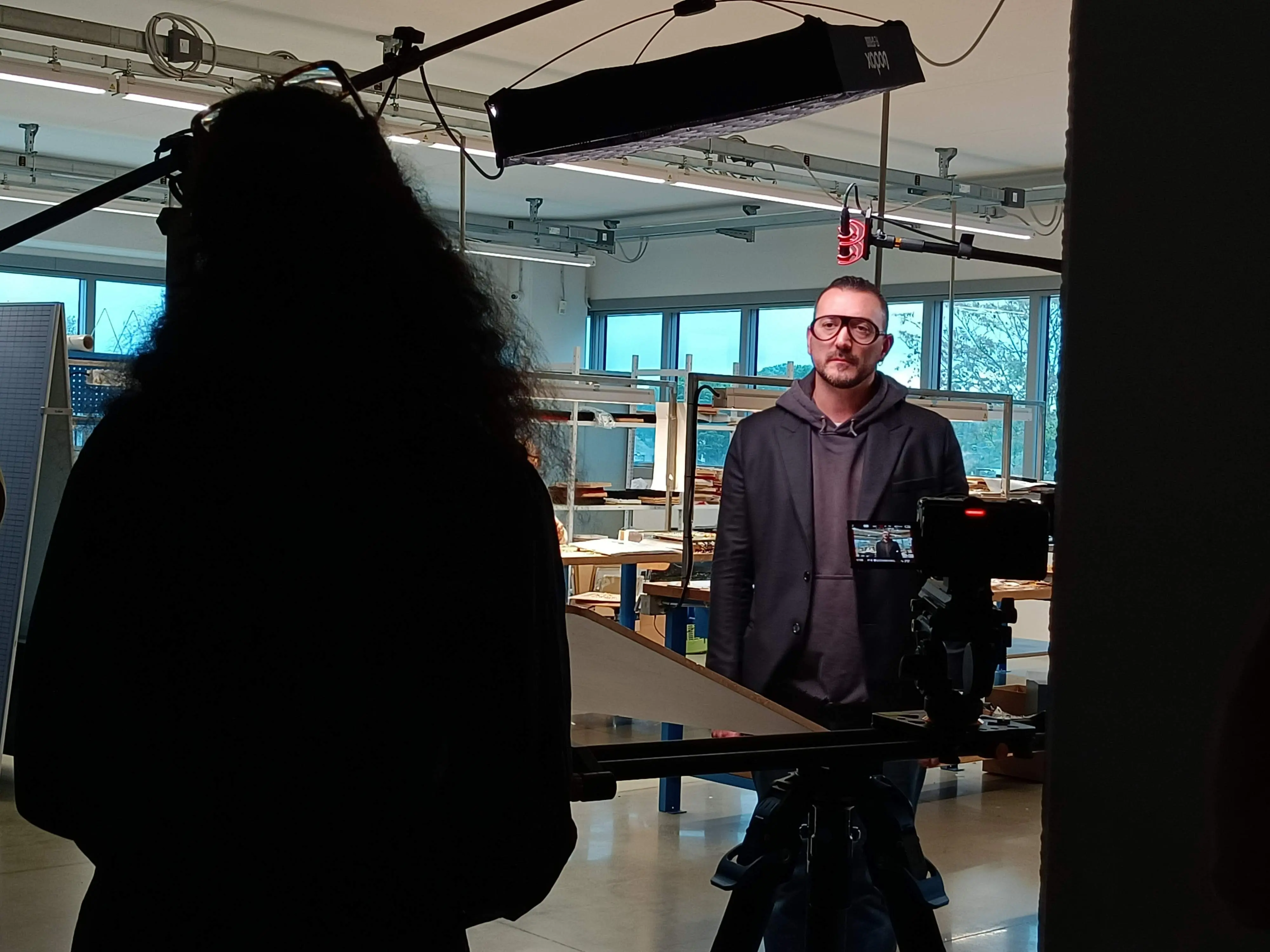
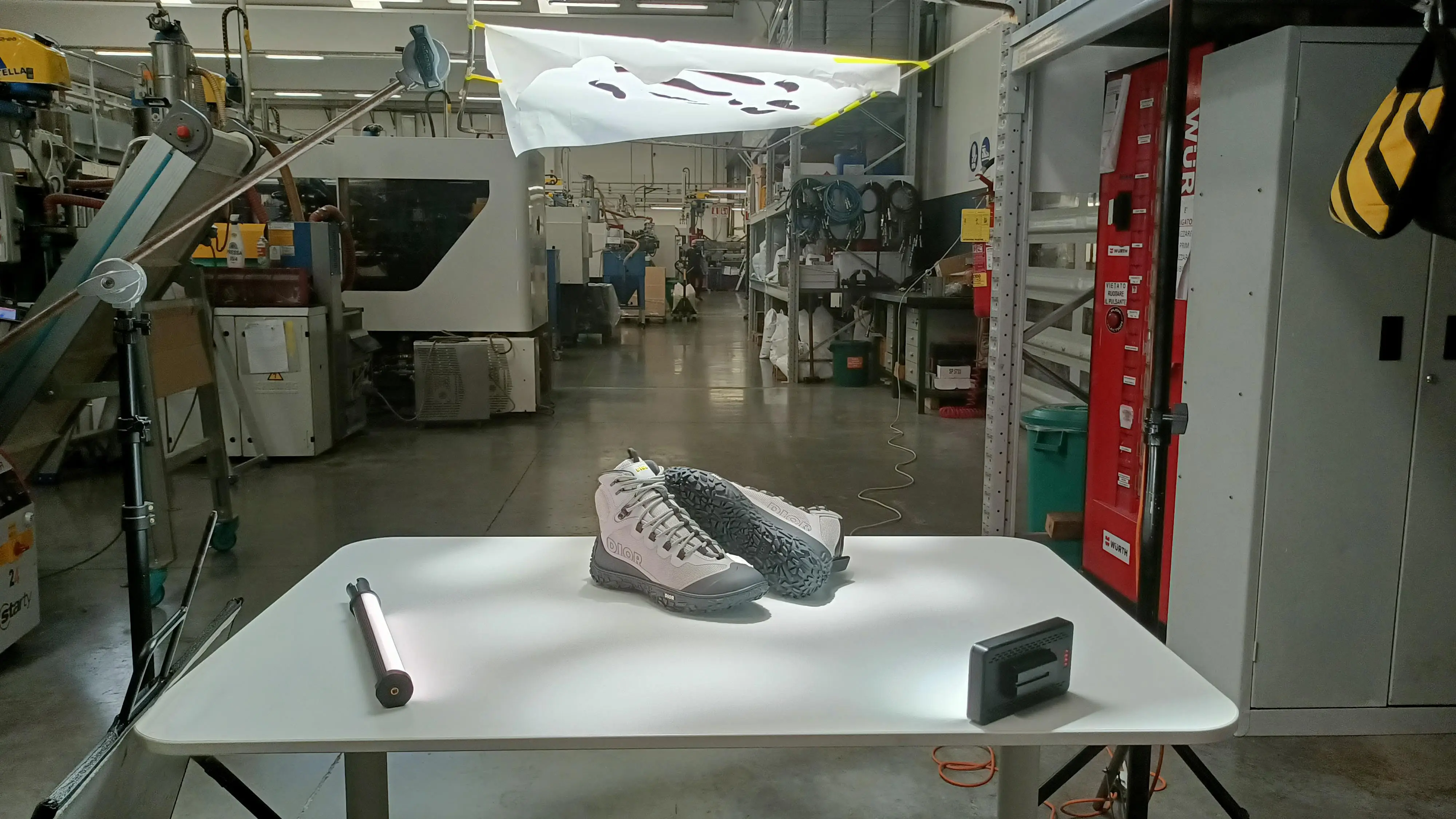
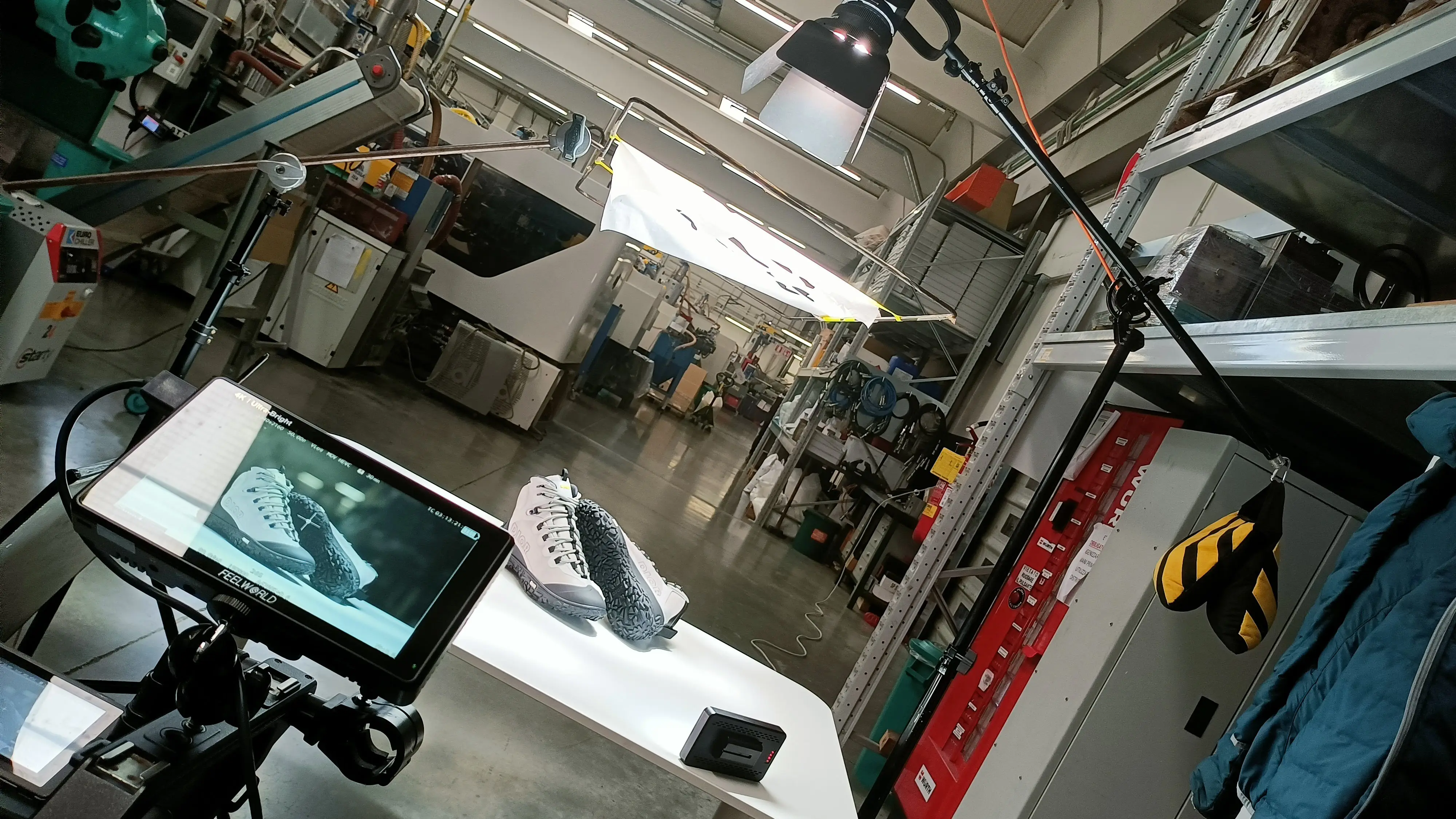
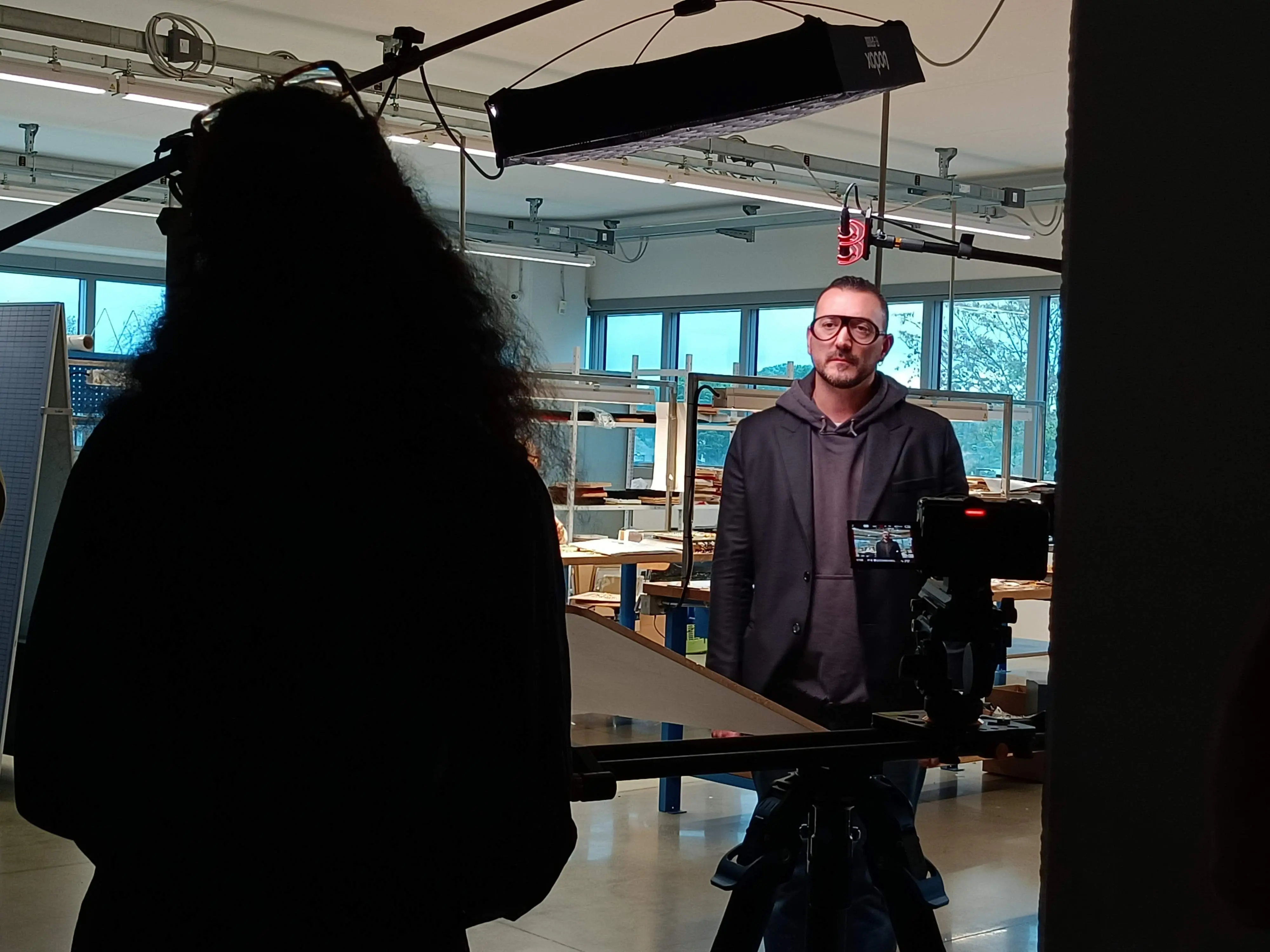
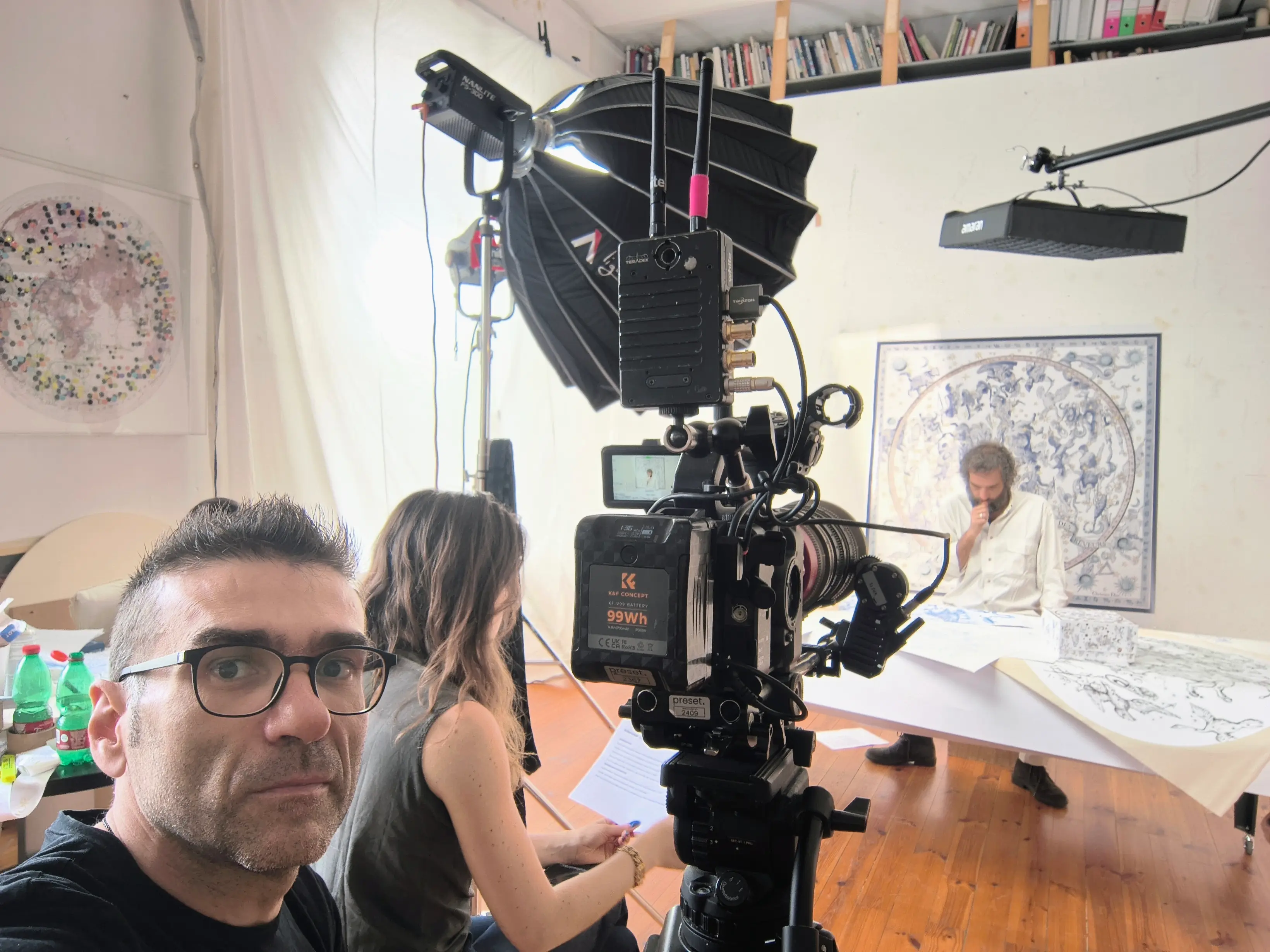
A workshop is lit for the people working in it, not for a camera, and almost nothing in it can be moved. I bring my own lights to every one of these jobs and build around what is already there. The one thing I ask for in advance is somebody from the workshop who can follow us and explain each step, and the materials ready before we start.
Close Enough to Show the Gesture
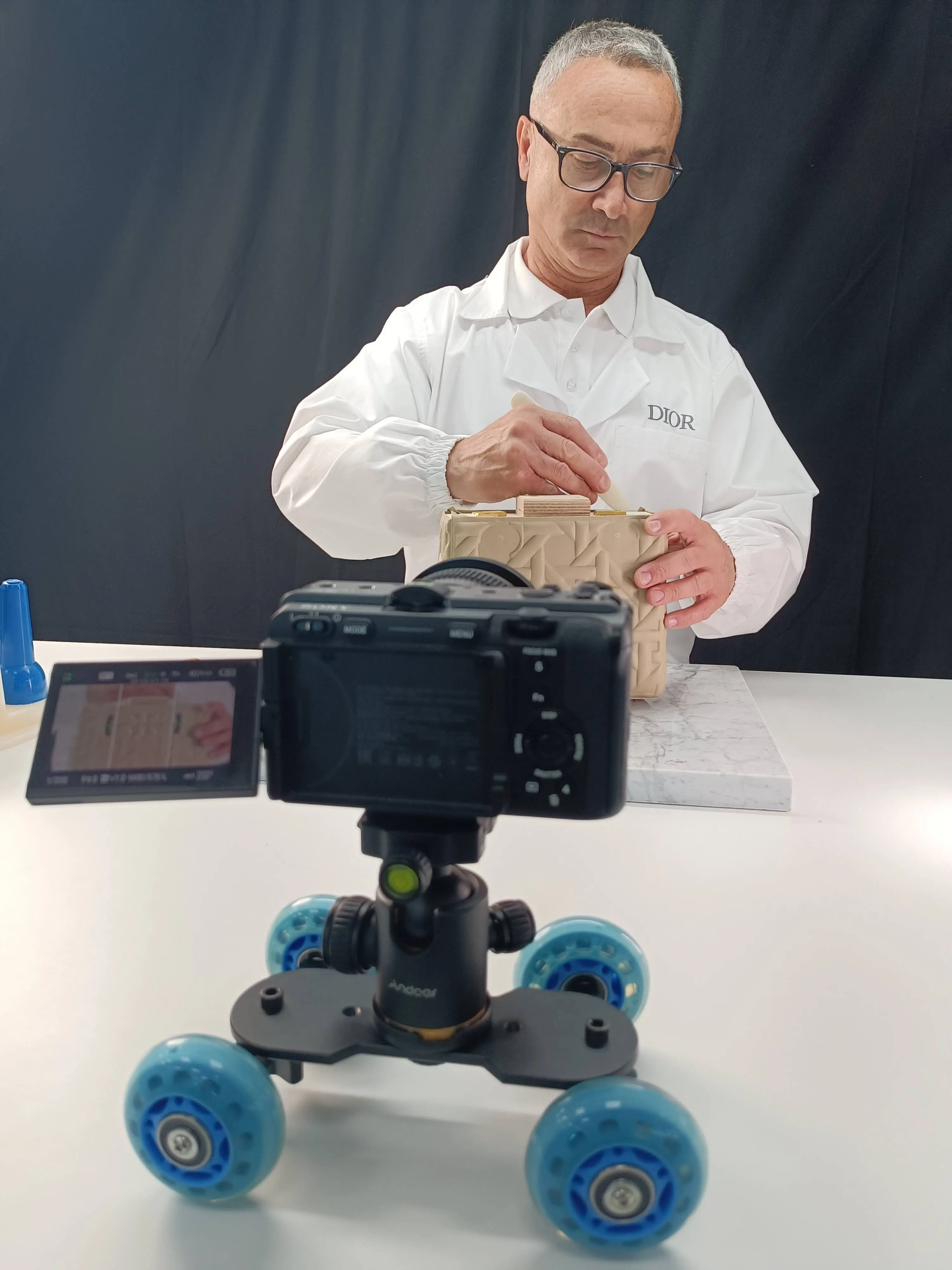
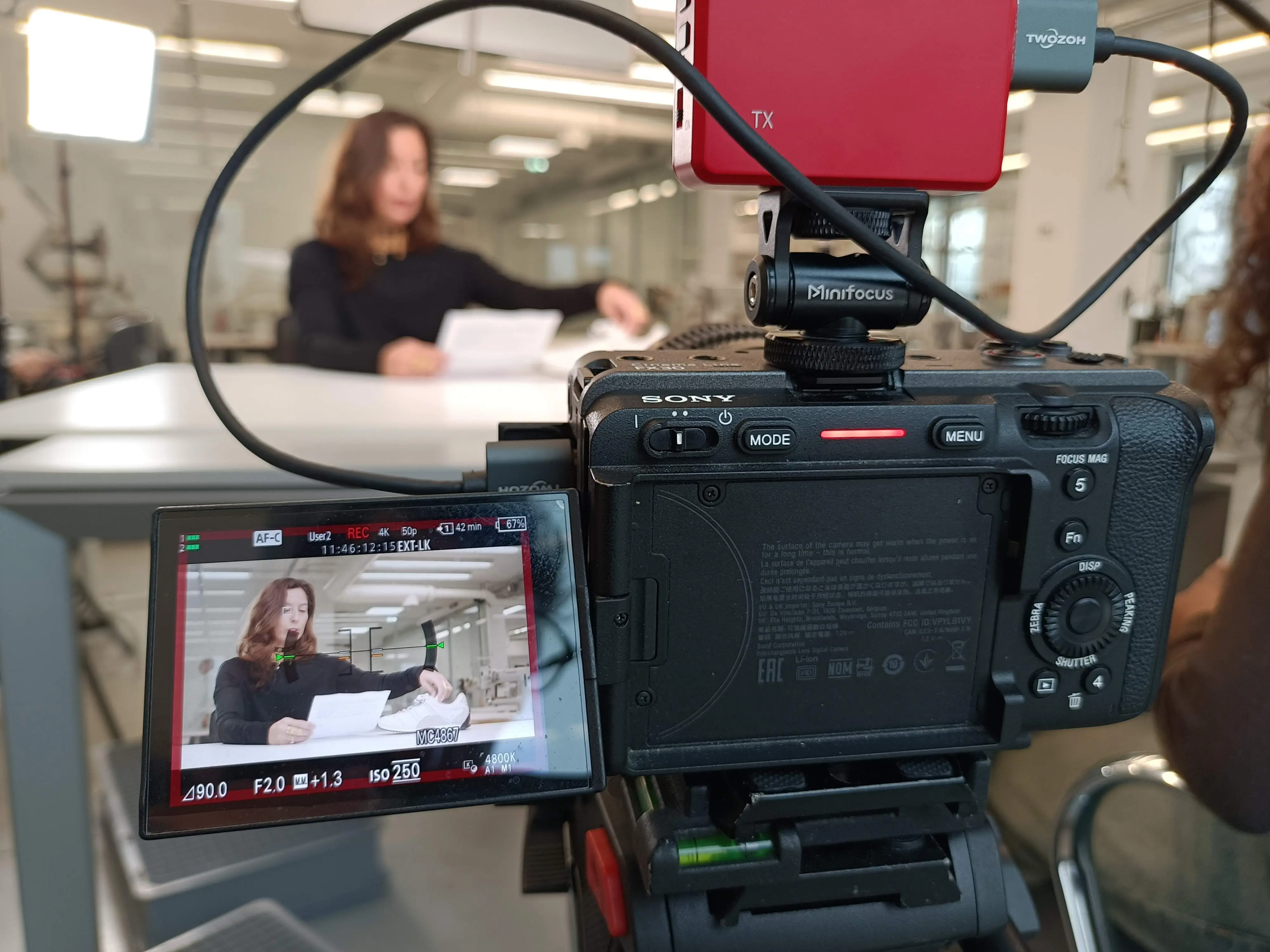
Most of what matters in these films happens inside a few centimetres, so the work lives at the near end of the focus scale, where depth of field is measured in millimetres and breathing moves the frame. I shoot on Sony Cinema Line bodies with my own Samyang primes, and for the last year and a half often with two cameras running at once.
Movement That Is Not Decoration
The equipment has grown over the years, because the maison kept asking for more: lights, sliders, a gimbal, and small jibs for the vertical shots and for places where there is no room to stand. A move earns its place when it follows the hand, and gets cut when it only shows off the camera.
Two Formats, One Shoot
Many of these were shot twice, horizontally and vertically, with a dedicated rig on the camera rather than reframed afterwards. A vertical film composed on the day holds the gesture in the centre of the frame, which a crop out of a wide shot almost never does.
Behind the Scenes
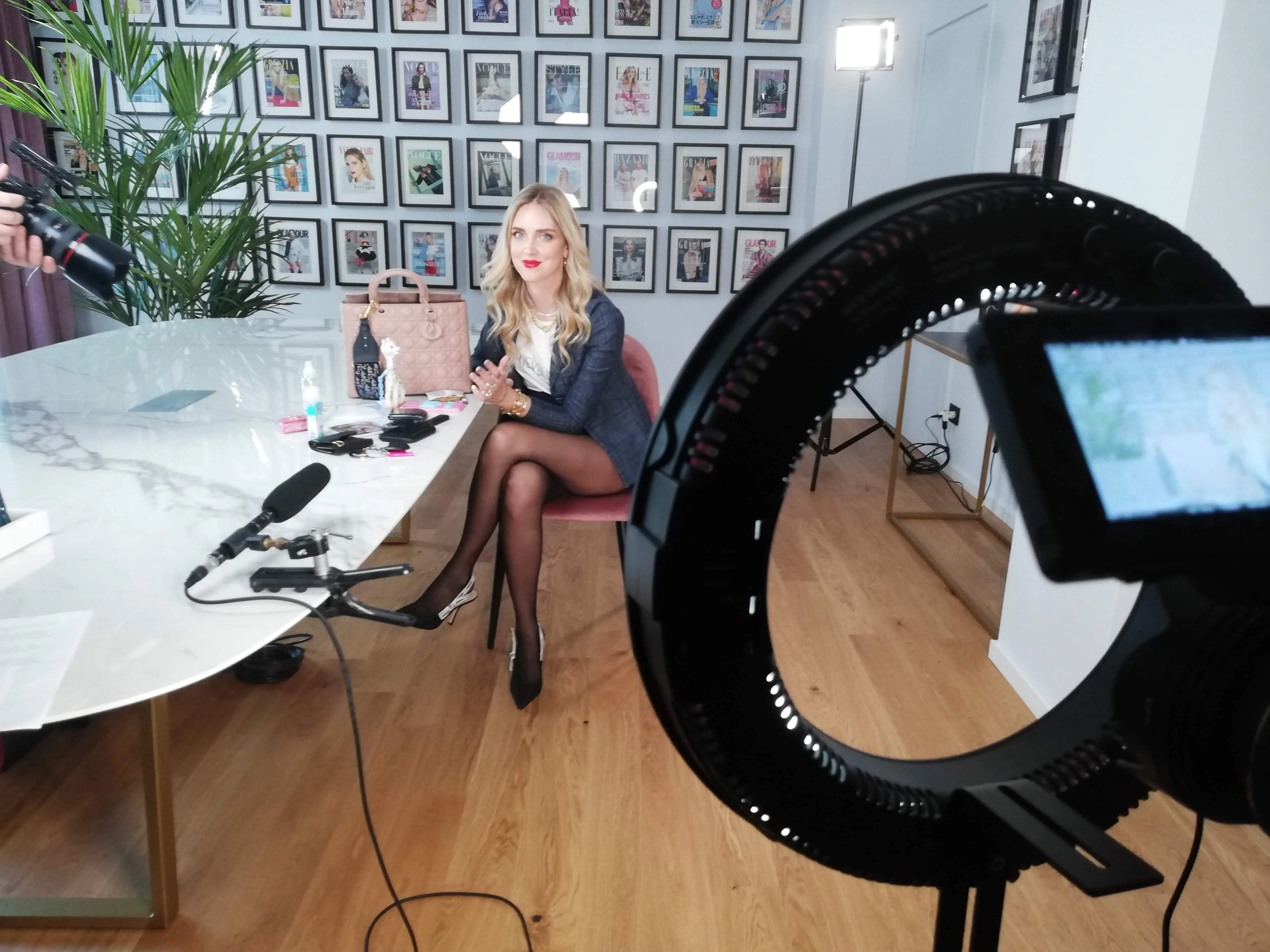
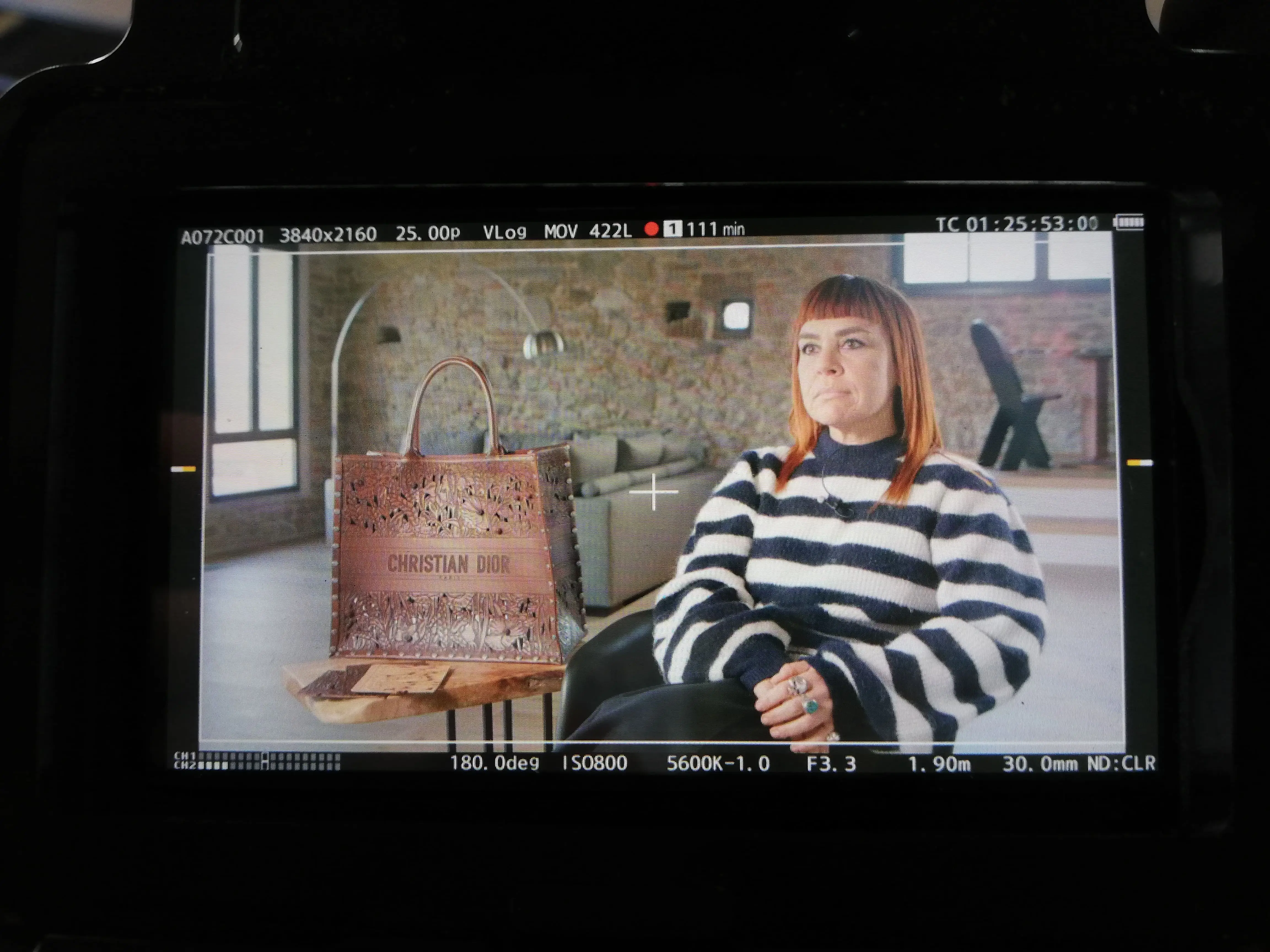
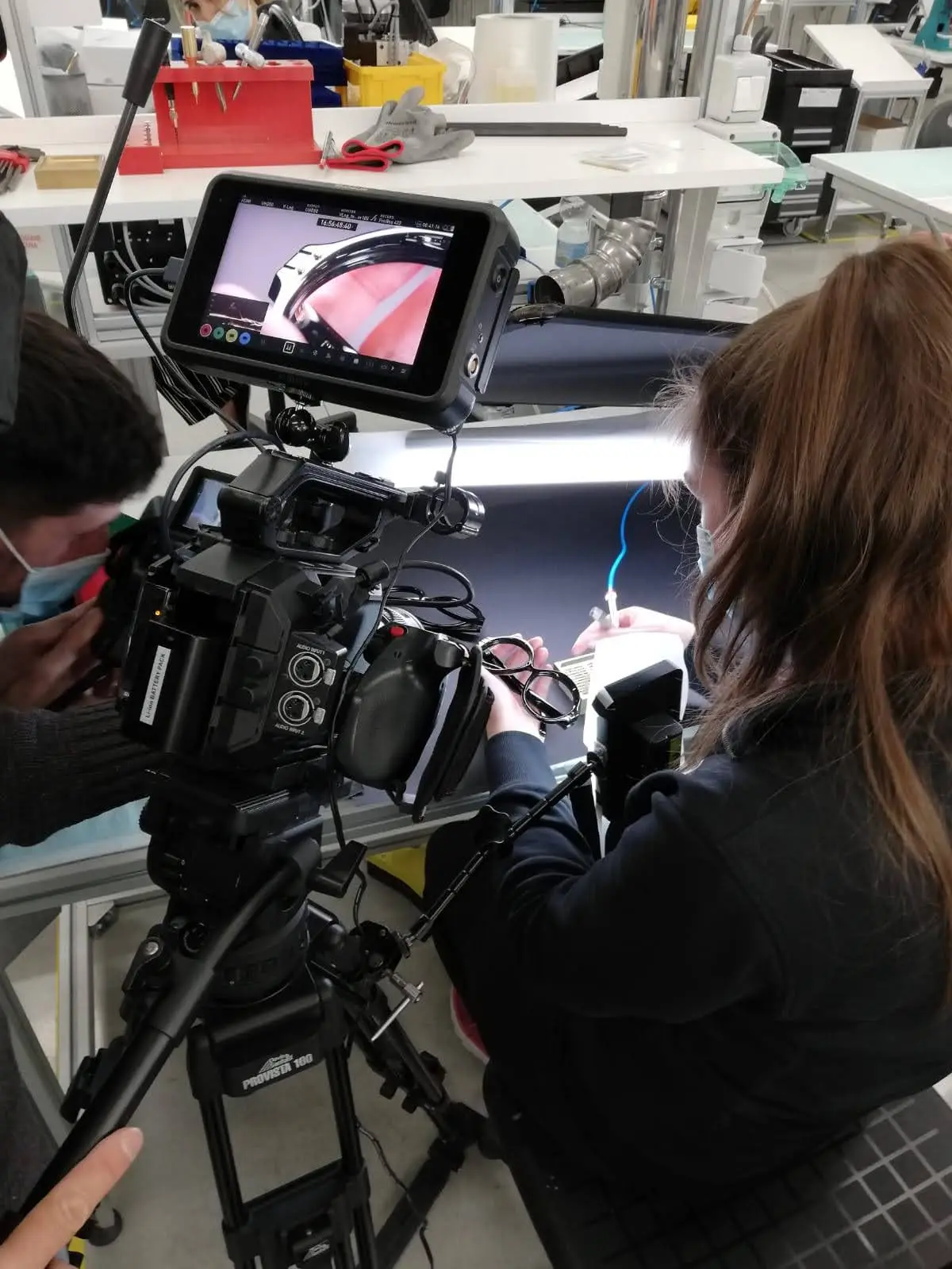
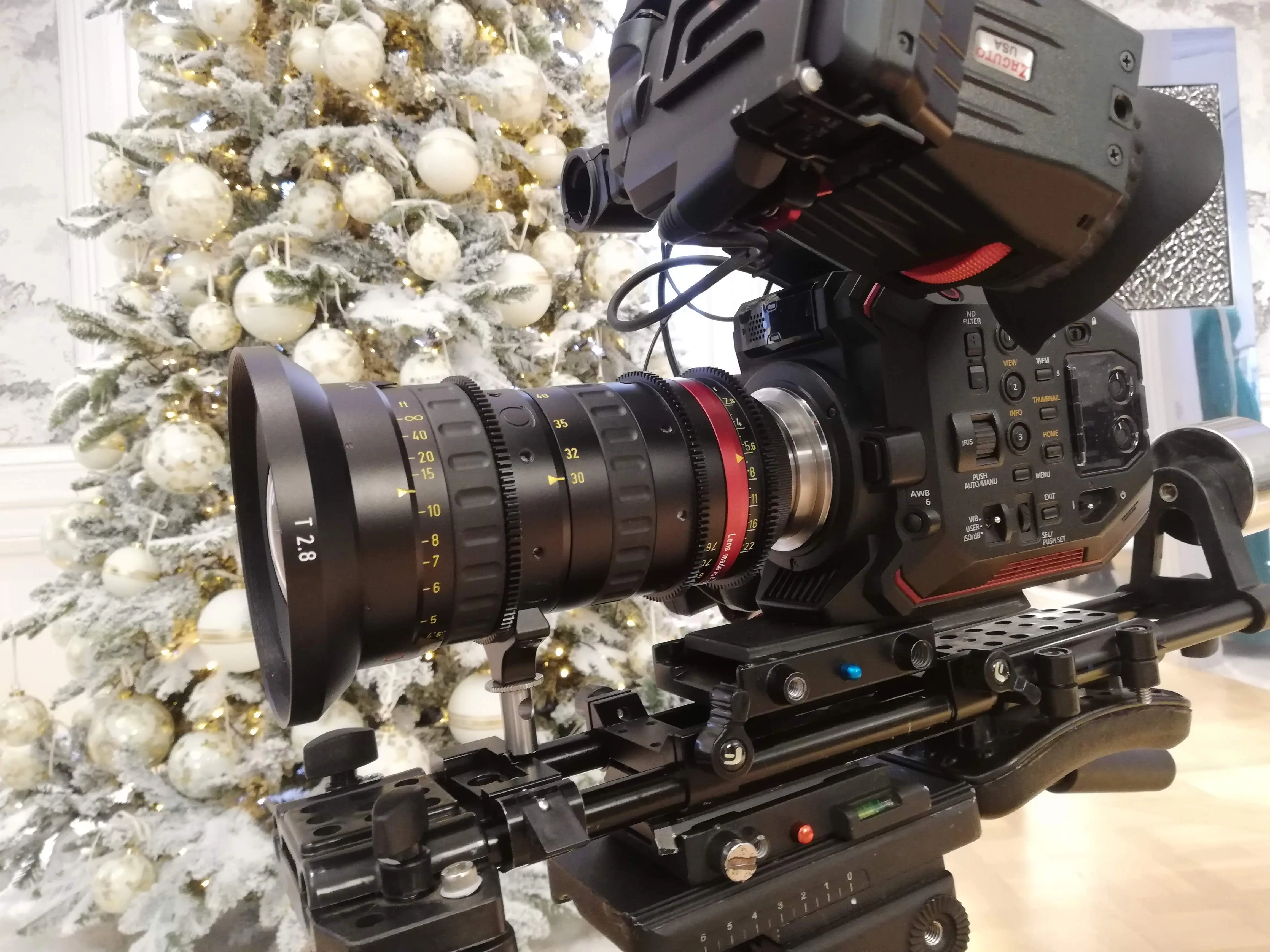
These are my own photographs, taken on the jobs above between 2020 and 2025. Click any photo to open it full size.
How I Work With the Production
On these films I am the director of photography and nothing else: the production carries the job and post stays with them. That is how most of my work runs, and it is worth saying plainly, because a brand deciding who to put in a workshop wants to know exactly which part of the job you are taking.
All of the work on this page was produced by Pan Pan Productions and directed by Melinda Triana. If you need the whole service instead, from shooting through to the finished edit, I can cover it with the people I work with regularly. The rest of what I do in Italy is on the production page, and the equipment is listed here.
Creative production: Gabrielle Feixas
On several of these films the creative producer was Gabrielle Feixas, who works out of Paris across art direction, art buying and image strategy. She develops the campaign concept and sets the visual standard a film has to reach, and she finds the people whose way of working fits what the client is after.
That part of the job decides most of what happens later. By the time I set up the first light in a workshop, somebody has already worked out what the thing is supposed to look like, and a day inside a factory is short enough that arriving without that answer is not an option.
Her site lists these films with the crew credited by name, mine included. It is the same work seen from the other end of the production, and it is the quickest way to check that what I have written on this page is true.
Questions I Get Asked
What do you need from the workshop before the shoot?
Two things: somebody from the workshop who can follow us and explain each step as it happens, and the materials ready before we start. The first matters more than people expect. A film about a craft is only as good as the explanation you get on the day, because the order of the steps is never obvious from watching.
What cameras have these films been shot on?
The early ones were shot on a Panasonic EVA1. Since then I have worked on Sony Cinema Line bodies with my own Samyang primes, and for the last year and a half often with two Sony cameras running at the same time.
How long does it take to shoot a one-minute film?
At least a full day, sometimes two. A finished film of about sixty seconds is the compressed version of a process that takes hours, and the shooting day is set by the craft rather than by the edit: you cannot ask a kiln, a loom or a setting compound to go faster.
Do you work alone or with a crew?
I shot the first films on my own. Since then it has always been two of us, which is the right size for a working workshop. A larger unit in a room like that stops being an advantage very quickly.
Do you bring your own lighting?
Yes, always. Workshop light is built for the person at the bench, and it is almost never where a camera needs it. Over the years the kit has grown to include sliders, a gimbal and small jibs, mostly because the vertical versions and the tighter rooms asked for them.
Can you film in more than one district on the same trip?
Yes, and it often works out that way. I have shot denim in the Marche one day and driven four hours the same night to be near Piacenza the next morning. Italian manufacturing districts are far apart, so concentrating two or three jobs into one trip is usually cheaper for the client than two separate ones.
Do you shoot vertical versions as well?
Yes. Many of these films exist in both formats, shot twice on the day with a dedicated rig rather than cropped afterwards. It costs a little more time on set and it is the only way a vertical version holds the gesture where it belongs.
Do you also edit and grade these films?
Not on the Dior films: I shoot, and post stays with the production. That is how most of my work runs. When a client wants the whole service, from shooting to the finished edit, I can cover it with the people I work with regularly.
Who owns the footage?
The client does. On these films the footage belongs to Dior and the finished edit stays with the production. I shoot, and I do not license or resell material from a commissioned job.
Do you speak English on set?
Yes. I work in English with international teams and in Italian with the workshops, which is most of what a foreign production actually needs on a job like this: somebody who can hear the artisan explain a step and pass it on accurately in the other language.
If You Make Something in Italy
If your brand manufactures in Italy, there is a reasonable chance I have already filmed in the district where your pieces are made. That is worth more than a showreel, because the difficult part of this work is never the camera: it is walking into a working room and getting something out of it in a day, without stopping the people in it.